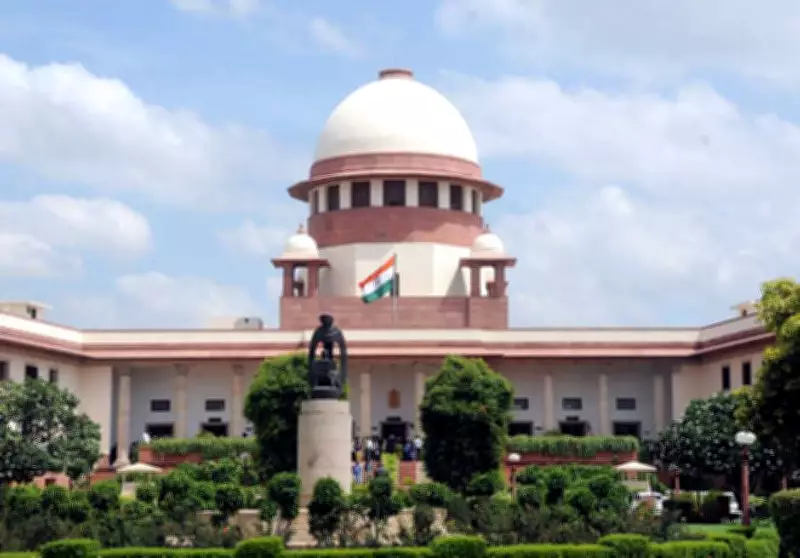
Supreme Court Grants Bail to Punjab Man After Two Years in Jail Without Trial
In a significant ruling, the Supreme Court of India has granted bail to a man from Punjab who had been incarcerated for two full years on an attempt to murder charge, despite no trial being conducted during this period. The court's decision highlights critical issues in the judicial process, emphasizing the right to a speedy trial and the presumption of innocence until proven guilty.
Case Details and Judicial Criticism
The individual, whose identity has not been fully disclosed in reports, was arrested and charged with attempt to murder under relevant sections of the Indian Penal Code. However, over the subsequent 24 months, no trial proceedings were initiated, leaving him languishing in jail without any legal resolution. The Supreme Court, upon reviewing the case, expressed strong disapproval of this delay, noting that it violated fundamental rights and undermined the justice system's integrity.
The court pointed out that the prolonged detention without trial was unjustifiable, especially given the lack of substantial evidence presented by the prosecution. This case sheds light on a broader problem within the Indian legal framework, where many individuals face extended pre-trial detention due to systemic bottlenecks, overcrowded courts, and procedural inefficiencies.

Implications for Legal Reforms and Human Rights
This ruling is expected to have far-reaching consequences for similar cases across the country. It reinforces the principle that incarceration without a fair and timely trial is a denial of justice. Legal experts suggest that this decision could prompt reforms to expedite trials and reduce the backlog of cases in lower courts.
Moreover, the Supreme Court's stance serves as a reminder to law enforcement agencies and judicial authorities to adhere to due process and avoid arbitrary detentions. The case also underscores the importance of bail as a right in non-heinous offenses, where the accused poses no flight risk or threat to society.- Key Takeaway: The Supreme Court's intervention in this Punjab case sets a precedent for protecting citizens' rights against indefinite detention without trial.
- Legal Context: Attempt to murder charges are serious, but the absence of trial proceedings for two years raised constitutional concerns.
- Future Outlook: This decision may lead to increased scrutiny of pre-trial detention practices and encourage faster judicial processes.
In conclusion, the Supreme Court's grant of bail to the Punjab man after two years of jail without trial is a landmark moment in Indian jurisprudence. It not only provides relief to the individual but also signals a push towards more efficient and humane legal practices, ensuring that justice is not delayed or denied.