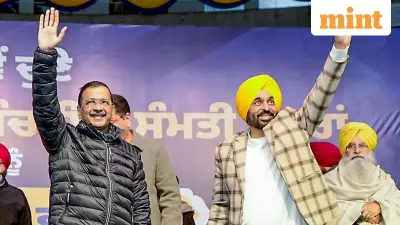
In a landmark judgment that reinforces democratic principles, the Supreme Court of India has delivered a crucial verdict limiting the powers of state governors regarding pending legislation. The court explicitly stated that governors cannot stall state bills indefinitely, emphasizing that elected governments must remain in the driver's seat of governance.
Historic Verdict on Presidential Reference
The Supreme Court's ruling came in response to a presidential reference concerning the constitutional powers and responsibilities of state governors. The verdict, delivered on November 20, 2025, establishes clear boundaries for gubernatorial intervention in the legislative process.
This judgment addresses the long-standing controversy surrounding the tendency of some governors to delay approval of bills passed by state legislatures. The court emphasized that such delays undermine the democratic process and the mandate given to elected governments by the people.
Key Directives from the Supreme Court
The apex court outlined several crucial principles in its verdict. Governors must act on bills within a reasonable timeframe and cannot use their office to create legislative gridlock. The court reinforced that the elected state government, being representative of the people's will, should be the primary decision-making authority.
The judgment clarifies that while governors have constitutional responsibilities, these must be exercised in a manner that respects the democratic process. Indefinite stalling of bills without constitutional justification was explicitly prohibited by the court.
Implications for Indian Federal Structure
This verdict has far-reaching implications for India's federal structure and state-center relations. It strengthens the autonomy of state governments and ensures that legislative agendas cannot be obstructed through administrative delays.
The Supreme Court's decision is expected to:
- Expedite the clearance of pending bills in various states
- Clarify the constitutional boundaries of gubernatorial powers
- Strengthen the position of elected state governments
- Prevent future conflicts between state governments and governors
Legal experts have hailed this as a significant step toward strengthening democratic norms in India. The judgment ensures that the will of elected representatives cannot be easily thwarted by appointed officials, thereby protecting the essence of parliamentary democracy.
This verdict comes at a crucial time when several states have reported delays in bill approvals, affecting governance and development initiatives. The Supreme Court's clear stance is expected to streamline the legislative process across Indian states.