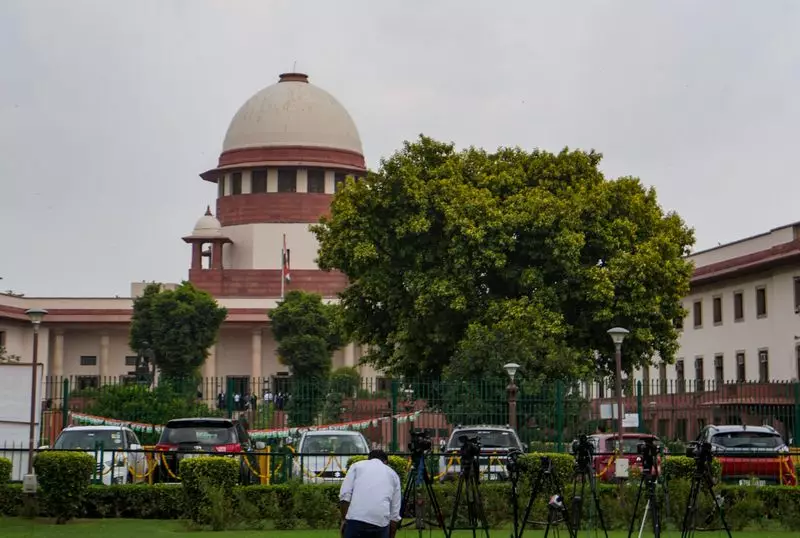
Supreme Court Takes Stern Action Against Bank Officials for Pension Delays
In a significant development, the Supreme Court of India has formally framed contempt charges against several bank officials for their failure to disburse pension dues to retired employees in the state of Punjab. This judicial move underscores the court's commitment to upholding the rights of pensioners and ensuring timely financial support for those who have served in various capacities.
Background of the Case and Judicial Proceedings
The case originated from complaints by retired employees who had been facing prolonged delays in receiving their pension payments, a critical source of income for their post-retirement life. Despite previous court orders directing the banks to expedite the disbursement of these dues, the officials allegedly neglected their responsibilities, leading to financial hardship for the beneficiaries.
During the proceedings, the Supreme Court examined the evidence and found prima facie grounds for contempt, as the bank officials had willfully disobeyed judicial directives. The framing of charges marks a pivotal step in the legal process, setting the stage for further hearings where the accused will have to present their defense.
Implications for Pension Disbursement and Accountability
This action by the Supreme Court sends a strong message to financial institutions and their personnel regarding the importance of adhering to court orders and fulfilling obligations towards pensioners. It highlights the judiciary's role in safeguarding the welfare of citizens, particularly vulnerable groups like retirees who depend on pensions for their livelihood.
Experts suggest that this case could set a precedent for similar issues across India, encouraging banks to streamline their pension disbursement processes and avoid legal repercussions. The contempt charges emphasize that negligence in such matters will not be tolerated, and officials must be held accountable for any lapses.
Reactions and Future Steps
Stakeholders, including pensioners' associations and legal advocates, have welcomed the Supreme Court's decision, viewing it as a victory for justice and financial security. They argue that timely pension payments are essential for maintaining the dignity and well-being of retired individuals, and any delay can have severe consequences.
Moving forward, the case will proceed with hearings where the bank officials will respond to the charges. If found guilty, they could face penalties, including fines or other disciplinary actions, as per the Contempt of Courts Act. This development is closely watched by the banking sector and pension authorities, who may need to review their compliance mechanisms to prevent such incidents in the future.
In summary, the Supreme Court's framing of contempt charges against bank officials over pension dues in Punjab represents a critical intervention in ensuring financial justice for retirees. It reinforces the principle that judicial orders must be respected, and delays in pension disbursement will be met with strict legal consequences, aiming to protect the rights of pensioners across the nation.