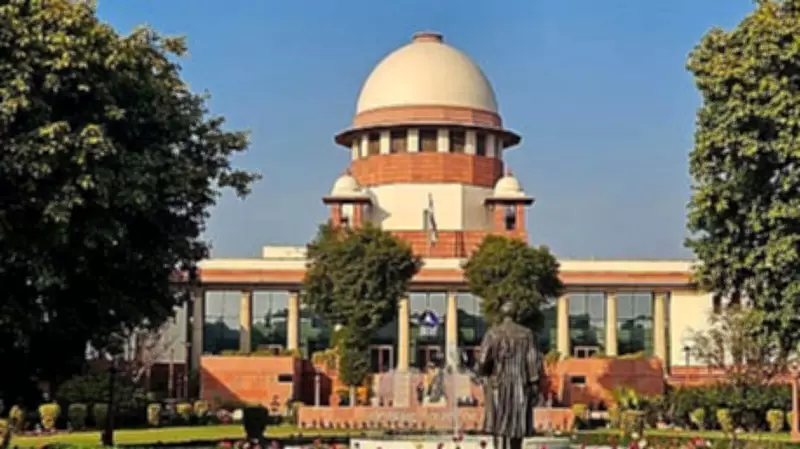
Supreme Court Takes Cognizance of Trial Courts Relying on AI-Generated 'Fake' Verdicts
The Supreme Court of India has raised serious concerns after taking cognizance of trial courts relying on artificial intelligence-generated 'fake' verdicts. This issue emerged during a hearing on a plea challenging a January order from the Andhra Pradesh High Court, which was related to a suit filed for an injunction. The apex court's intervention highlights growing worries about the misuse of technology in judicial processes and its potential to undermine the integrity of legal proceedings.
Background of the Case and Judicial Scrutiny
The matter came to light when the Supreme Court was reviewing a petition that contested a ruling by the Andhra Pradesh High Court. This ruling had been issued in response to a suit seeking an injunction, but it was discovered that the trial court involved had allegedly used AI-generated content to formulate its verdict. The Supreme Court's decision to examine this practice underscores the need for vigilance in ensuring that judicial decisions are based on authentic legal reasoning and not on fabricated or automated outputs.
Implications for Judicial Integrity and Legal Technology
The reliance on AI-generated 'fake' verdicts by trial courts poses significant risks to the judicial system. It could lead to miscarriages of justice, erode public trust in the courts, and set dangerous precedents for the use of technology in legal contexts. The Supreme Court's scrutiny is expected to lead to guidelines or regulations aimed at preventing such occurrences in the future. This development also sparks a broader discussion on the ethical use of artificial intelligence in the judiciary, balancing innovation with the preservation of legal standards and human oversight.
Future Steps and Broader Impact
As the Supreme Court continues to investigate this issue, legal experts anticipate that it may issue directives to trial courts to verify the authenticity of their sources and avoid dependence on unverified AI tools. This case serves as a cautionary tale for the integration of technology into traditional systems, emphasizing the importance of maintaining transparency and accountability. The outcome could influence not only Indian jurisprudence but also global practices regarding AI in law, prompting reforms to safeguard judicial processes from technological misuse.