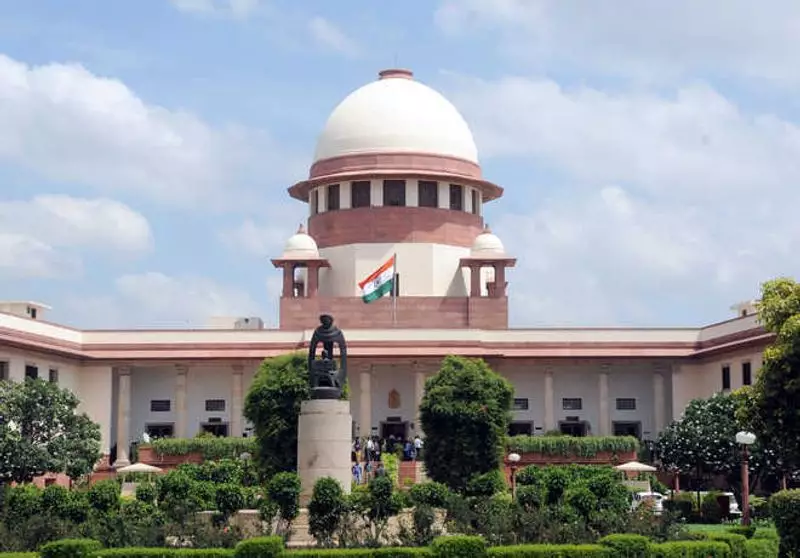
The Supreme Court of India has made a significant decision for Haryana's legal system. It has ended a long-standing practice that required accused persons to appear in court regularly during the hearing of their appeals. This move aims to streamline judicial processes and reduce unnecessary hardships.
What the Supreme Court Ruled
In a recent judgment, the Supreme Court addressed a procedural issue in Haryana's courts. Previously, accused individuals had to make frequent court appearances while their appeals were being heard. The court found this practice burdensome and inefficient.
Justice D.Y. Chandrachud, leading the bench, emphasized that such requirements often cause undue stress. They also waste valuable time for both the accused and the court. The ruling applies specifically to appeal hearings in Haryana.
Impact on the Justice System
This decision is expected to have several positive effects. First, it will reduce the logistical challenges faced by accused persons. Many of them travel long distances to attend court, incurring costs and missing work.
Second, it will help decongest courtrooms. By minimizing unnecessary appearances, courts can focus on more critical matters. This could lead to faster disposal of cases.
Key points from the ruling include:- Accused individuals no longer need to appear regularly during appeal hearings.
- Exceptions may apply in specific circumstances, such as when personal presence is essential.
- The change aims to promote efficiency and reduce hardship in Haryana's courts.
Reactions and Context
Legal experts in Haryana have welcomed the Supreme Court's decision. They note that the old practice was a relic of outdated procedures. It often delayed justice and added to the backlog of cases.
This ruling aligns with broader efforts to modernize India's judicial system. Similar reforms have been suggested in other states to make courts more accessible and efficient.
The Supreme Court's judgment is based on principles of fairness and practicality. It recognizes that not all court appearances serve a substantive purpose. By eliminating redundant steps, the court hopes to improve the overall experience for all parties involved.
In summary, the Supreme Court has taken a pragmatic step in Haryana. Ending regular court appearances for accused during appeals should benefit both individuals and the justice system. This decision marks a shift towards more sensible and humane legal practices.