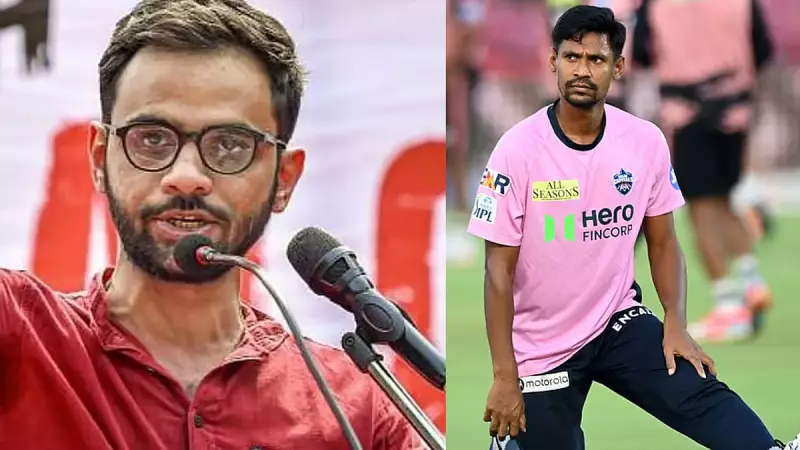
In two significant developments on Monday, January 5, 2026, India's Supreme Court delivered a crucial verdict in a high-profile case, while a neighboring country took a decisive step concerning a major sporting event. The apex court rejected the bail pleas of activists Umar Khalid and Sharjeel Imam, who are facing charges under the stringent Unlawful Activities (Prevention) Act. In a separate move, the government of Bangladesh issued an order to ban the live telecast of the Indian Premier League (IPL) within its borders.
Supreme Court Upholds Denial of Bail in UAPA Case
The Supreme Court bench, after hearing extensive arguments, declined to grant bail to Umar Khalid and Sharjeel Imam. The two individuals are accused in a larger conspiracy case related to the Delhi riots of February 2020. The court's decision reinforces the lower courts' earlier rulings, keeping the activists in judicial custody as the trial proceeds.
The case against them is built on charges of allegedly orchestrating and funding the violence that erupted in the national capital. The prosecution has argued that their speeches and actions amounted to a conspiracy to destabilize law and order. The defence, on the other hand, has consistently maintained that the charges are politically motivated and that no concrete evidence links them directly to the violence.
Legal Journey and Implications
Both Khalid and Imam have been incarcerated for a prolonged period. Their bail applications had been repeatedly turned down by the trial court and the Delhi High Court before reaching the Supreme Court. The UAPA bail conditions are notoriously strict, requiring the court to be satisfied that the accusations are prima facie untrue. Today's verdict means the legal battle for their release will continue, potentially focusing on the speed and fairness of the trial itself.
This ruling is being closely watched as it touches upon the application of anti-terror laws in cases involving allegations of sedition and conspiracy. It sets a precedent for how similar cases might be handled in the future, especially those linked to large-scale public unrest.
Bangladesh Government Orders Ban on IPL Broadcast
In a move that has surprised cricket fans and broadcasters, the Bangladeshi authorities have directed a ban on the live television broadcast of the upcoming Indian Premier League season. The order, issued on January 5, 2026, instructs all satellite and cable television operators in Bangladesh to refrain from airing the popular T20 tournament.
While an official reason for the sudden ban has not been explicitly detailed in the initial order, it is speculated to be linked to broader diplomatic and content-sharing discussions between the two nations. The IPL enjoys a massive fan following in Bangladesh, with many of the country's own cricket stars participating in the league over the years.
Impact on Viewers and Broadcast Rights
The directive will directly impact millions of cricket enthusiasts in Bangladesh who tune in every year to watch the star-studded tournament. Domestic broadcasters who had secured rights to air the matches now face significant financial and contractual uncertainties. This decision also raises questions about the cross-border flow of sports entertainment and the potential use of such bans as diplomatic tools in the region.
As of now, it remains unclear whether the ban is intended for the entire season or is a temporary measure. Stakeholders are awaiting further clarification from the Bangladeshi government regarding the duration and specific rationale behind this sweeping order.
These two stories, one rooted in India's complex legal landscape and the other in international sports broadcasting, mark a consequential day in the subcontinent's current affairs, with ramifications for law, politics, and popular culture.