Supreme Court Dramatically Reduces Compensation in Faulty Haircut Case
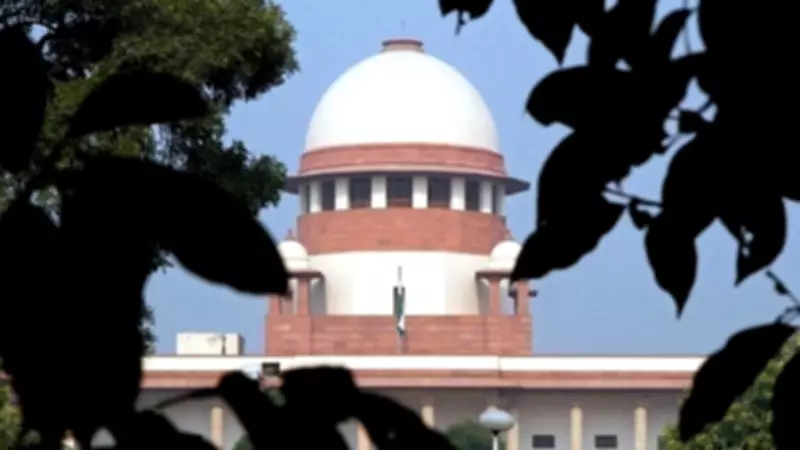
The Supreme Court of India has delivered a landmark judgment, significantly reducing the compensation awarded for a faulty haircut from an astonishing Rs 2 crore to a more measured Rs 25 lakh. In a decisive ruling, the apex court emphasized that damages in consumer cases must be grounded in reason and evidence, not whims or arbitrary assessments.
Court Criticizes Consumer Panel's Error in Document Appraisal
In its detailed order, the Supreme Court held that the National Consumer Disputes Redressal Commission (NCDRC), the apex consumer panel, committed a critical error while appraising photocopies of documents submitted in the case. The court found that the panel's approach led to an inflated compensation award that lacked legal and factual basis. This ruling underscores the judiciary's role in ensuring that consumer protection laws are applied judiciously, without allowing excessive claims to undermine the system's credibility.
Key Principles Established on Damages and Compensation
The judgment sets important precedents for future consumer disputes:

- Damages Must Be Reasonable: The court clarified that compensation should reflect actual harm suffered, not speculative or emotional whims.
- Evidence-Based Awards: Emphasizing the need for proper document appraisal, the ruling mandates that awards be based on verifiable evidence, not assumptions.
- Preventing Abuse of Consumer Rights: By reducing the compensation, the court aims to prevent frivolous claims that could clog the legal system and dilute genuine cases.
This case originated from a consumer complaint about a substandard haircut that allegedly caused distress and inconvenience. The NCDRC had initially awarded Rs 2 crore in compensation, a figure the Supreme Court found disproportionate. The court's reduction to Rs 25 lakh is seen as a balanced approach, acknowledging the consumer's grievance while aligning with legal standards.
Implications for Consumer Law and Legal Practice
The ruling is expected to have far-reaching effects:
- Guidance for Lower Courts: It provides clear guidelines for consumer forums and commissions on assessing damages, promoting consistency in judgments.
- Encouragement for Fair Claims: Consumers are reminded to base claims on tangible losses, fostering a more equitable legal environment.
- Legal Precedent: This case joins a growing body of jurisprudence that curbs excessive compensation, reinforcing the principle of proportionality in law.
Legal experts have welcomed the decision, noting that it strikes a crucial balance between protecting consumer rights and preventing judicial overreach. The Supreme Court's intervention highlights its commitment to upholding the rule of law, ensuring that compensation serves justice rather than caprice.