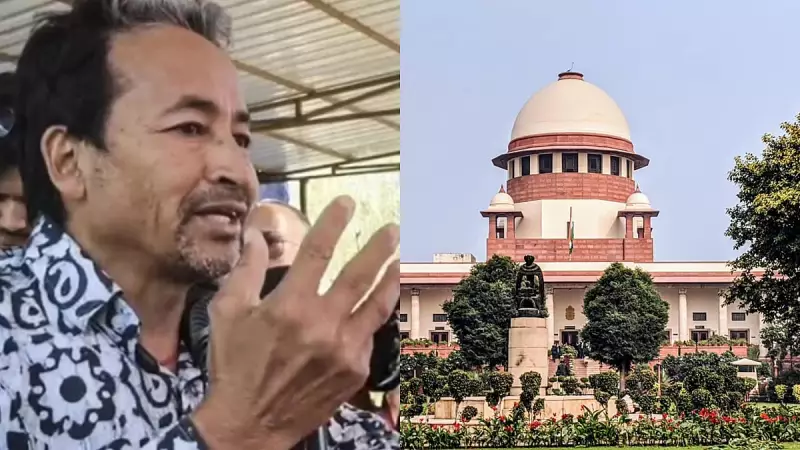
The Supreme Court of India has made a significant observation regarding the detention of prominent Ladakhi activist Sonam Wangchuk, declaring his arrest under the National Security Act (NSA) as illegal and in violation of his fundamental rights.
Court Proceedings and Government Response
During the hearing, a Supreme Court bench addressed the petition challenging Wangchuk's detention under the controversial NSA. The court's strong stance came as Solicitor General Tushar Mehta, representing both the Central government and the Union Territory of Ladakh administration, requested additional time to prepare their response.
The government's legal representative sought this postponement specifically to address the rejoinder filed by Wangchuk's wife, indicating the complexity and significance of the case. The bench agreed to defer the matter, acknowledging the need for proper consideration of all legal arguments.
Legal Implications and Fundamental Rights
The Supreme Court's characterization of Wangchuk's detention as illegal carries substantial legal weight. The court specifically noted that the arrest violates fundamental rights protected under the Indian Constitution, raising serious questions about the application of the National Security Act in this instance.
The case has drawn national attention to the balance between national security concerns and individual rights, particularly regarding the use of preventive detention laws. Wangchuk, known for his environmental activism and educational reforms in Ladakh, has been a vocal advocate for the region's constitutional safeguards.
Background and Next Steps
The legal battle continues as the Supreme Court awaits the government's formal response to the arguments presented by Wangchuk's legal team. The development marks a crucial moment in the ongoing discourse about civil liberties and state power in India.
The court's preliminary assessment suggests potential grounds for Wangchuk's release, though final determination awaits the complete hearing of arguments from both sides. The case has become symbolic of larger tensions between activist movements and state authority in the strategically important Ladakh region.