Supreme Court Issues Landmark Ruling on National Highway Safety
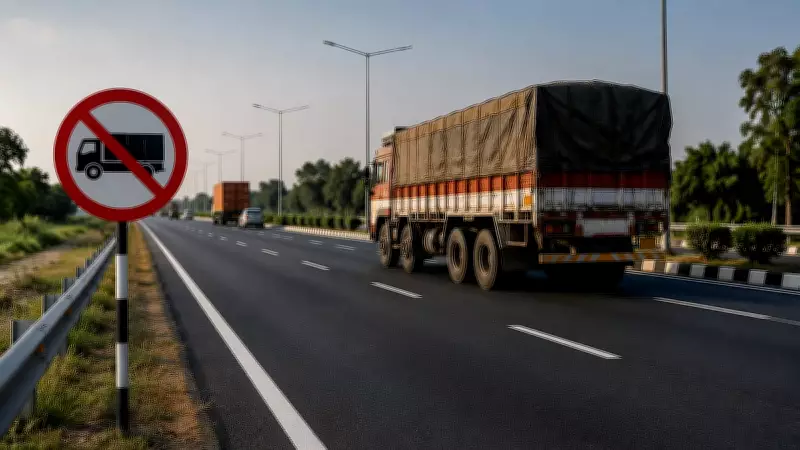
In a significant decision aimed at enhancing road safety across India, the Supreme Court has explicitly banned the parking or stopping of heavy vehicles on all national highways. This directive, delivered on April 18, 2026, underscores the court's commitment to protecting the lives of commuters and reducing traffic hazards on these critical roadways.
Constitutional Obligation to Ensure Commuter Safety
The court's ruling firmly establishes that the safety of commuters is not merely a regulatory concern but an integral aspect of the fundamental right to live with dignity, as enshrined under Article 21 of the Constitution. By linking highway safety to constitutional obligations, the judgment elevates the issue to a matter of national importance, compelling authorities to enforce stricter measures.
Key implications of this decision include:

- Immediate prohibition of heavy vehicle parking on national highways to prevent accidents and congestion.
- Mandatory compliance from state governments and highway authorities to implement and monitor the ban effectively.
- Enhanced accountability for ensuring that commuters can travel safely without undue risks from improperly parked vehicles.
Addressing Long-Standing Safety Concerns
National highways, which form the backbone of India's transportation network, have long been plagued by safety issues due to haphazard parking of heavy vehicles such as trucks and buses. This practice often leads to severe accidents, traffic jams, and increased pollution levels. The Supreme Court's intervention aims to mitigate these risks by setting a clear legal precedent.
The ruling emphasizes that the right to safe travel is a non-negotiable component of the broader right to life, requiring proactive measures from all stakeholders.
Future Steps and Enforcement
With this ban in place, authorities are expected to ramp up enforcement through increased patrols, fines for violations, and public awareness campaigns. The decision also opens the door for further legal actions if compliance is lacking, ensuring that safety remains a top priority on India's national highways.
This landmark judgment not only addresses immediate safety concerns but also sets a precedent for future policies aimed at protecting commuter rights and promoting responsible vehicle usage across the country's extensive highway network.