In a significant ruling that reinforces the core values of the Indian military, the Supreme Court has firmly upheld the dismissal of a Christian officer for refusing to participate in regimental traditions, defending the Army's secular and pluralistic character.
The Court's Stern Rebuke
On November 25, 2025, the apex court delivered a powerful judgment against Lt Samuel Kamalesan, coming down heavily on what it termed the officer's 'religious ego'. The case centered on the officer's refusal to enter a gurdwara and his unwillingness to offer flowers during troop prayers, actions he claimed violated his personal religious beliefs.
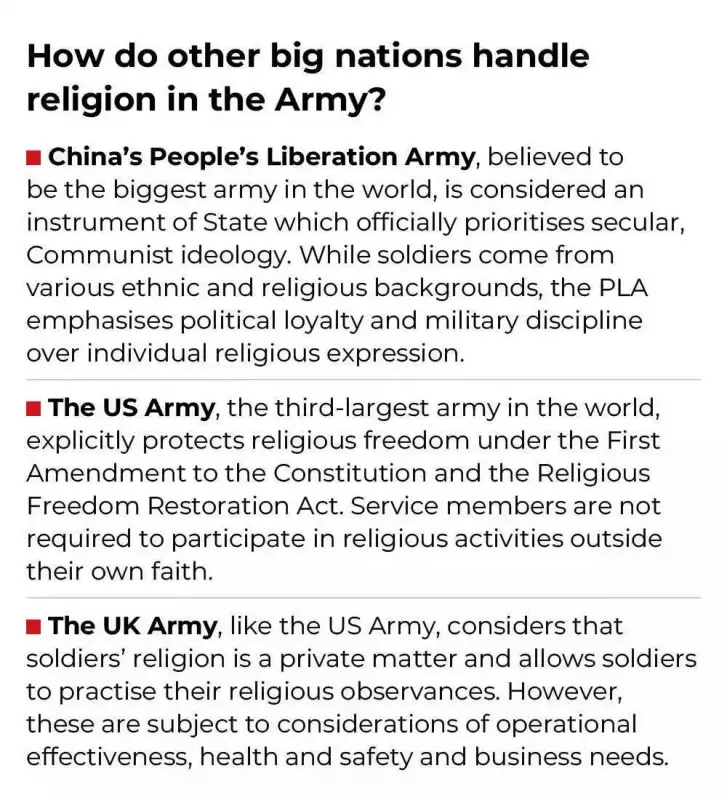
The court emphasized that such individual conduct was incompatible with the unwritten code of religious harmony and mutual respect that forms the bedrock of the Indian Army's operational unity.

The Legal Journey and Army's Unwritten Code
Lt Kamalesan had previously sought legal reprieve from the Delhi High Court in June, but his petition was unsuccessful. Following this setback, he moved the top court, which has now delivered the final word on the matter.
The judgment brings into focus the Indian Army's long-standing, though unwritten, code on religious practices. This code requires personnel to respect and occasionally participate in the diverse faith traditions of their fellow soldiers, fostering a spirit of unity and mutual respect that transcends individual religious differences.
Broader Implications for Military Service
The Supreme Court's ruling underscores a fundamental principle of military service in India: that the duty to maintain unit cohesion and respect the faith of one's comrades supersedes personal religious assertions in a professional context.
By upholding the dismissal, the court has sent a clear message about the non-negotiable nature of the armed forces' secular and pluralistic ethos, where every soldier must respect the diverse faiths represented within their ranks for the greater good of national security and operational effectiveness.