Supreme Court Permits Punjab Kesari to Continue Printing Amid Power Dispute
The Supreme Court of India has issued a crucial order allowing Punjab Kesari, a prominent newspaper, to proceed with its printing activities. This decision comes in the wake of a contentious power cut controversy that had threatened to disrupt the publication's operations.
Background of the Power Cut Issue
Recently, Punjab Kesari faced significant challenges due to an unexpected power supply interruption. The newspaper alleged that this cut was deliberate and aimed at hampering its printing schedule. Such actions raised serious questions about press freedom and the reliability of essential services in the region.
Officials from the power department provided explanations citing technical faults and maintenance work. However, the newspaper's management argued that these reasons were insufficient and pointed to potential ulterior motives behind the disruption.
Supreme Court's Intervention and Ruling
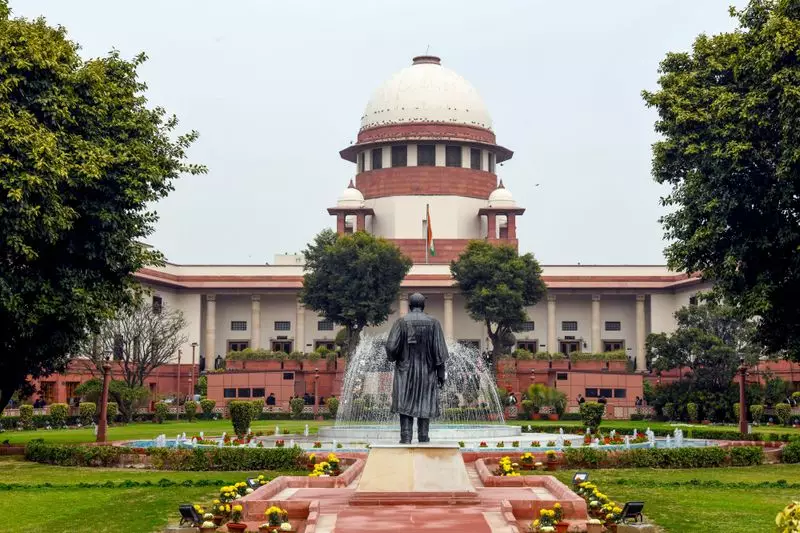
In response to the escalating situation, Punjab Kesari approached the Supreme Court seeking immediate relief. The court heard arguments from both sides, emphasizing the importance of a free press in a democratic society.
After careful consideration, the Supreme Court ruled in favor of the newspaper. The court directed authorities to ensure uninterrupted power supply to Punjab Kesari's printing facilities. This order is seen as a strong reaffirmation of constitutional protections for media organizations.
The ruling mandates that no arbitrary power cuts should impede the newspaper's operations. It also calls for transparency in any future disruptions, requiring prior notice and valid justifications.
Implications for Press Freedom and Infrastructure
This case highlights broader issues concerning press freedom in India. Media outlets often face obstacles that can stifle their ability to report news freely and timely. The Supreme Court's decision sets a precedent for safeguarding journalistic activities from undue interference.
Moreover, the controversy sheds light on infrastructure challenges in Punjab. Reliable power supply is critical not only for media but for all sectors of the economy. This incident may prompt reviews of power distribution policies to prevent similar disputes in the future.
Stakeholders have welcomed the court's order, viewing it as a victory for democratic values. They hope it will encourage more robust protections for press rights across the country.
Looking Ahead
With the Supreme Court's clearance, Punjab Kesari can now resume its printing without further hindrance. The newspaper has expressed gratitude for the judicial support and reaffirmed its commitment to unbiased journalism.
This ruling may also influence how other media houses handle similar challenges. It underscores the role of the judiciary in upholding fundamental rights and ensuring that essential services remain accessible to all.
In conclusion, the Supreme Court's intervention has resolved a pressing issue for Punjab Kesari. It reinforces the principle that a free press is indispensable for a healthy democracy, and infrastructure must support, not hinder, its functions.