Supreme Court Issues Landmark Verdict on Bhojshala Worship Rights
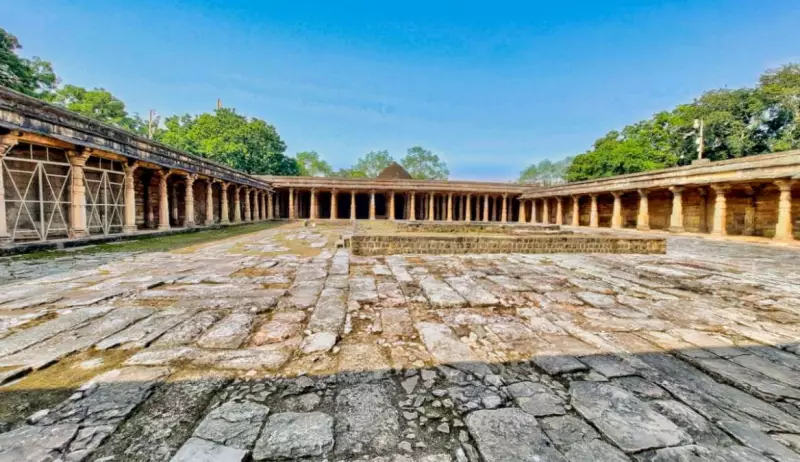
In a significant ruling aimed at balancing religious practices, the Supreme Court of India has granted permission for Hindu devotees to conduct prayers throughout the day at the Bhojshala complex located in Dhar district, Madhya Pradesh, specifically on the occasion of Basant Panchami. This decision comes as part of an ongoing effort to address the contentious issue of worship rights at the site, which has historical and cultural significance for multiple communities.
Details of the Court's Order
The court's verdict outlines a structured approach to worship at Bhojshala. For Hindus, the allowance for all-day prayers on Basant Panchami marks a key development, enabling uninterrupted religious observances during this important festival. Basant Panchami, celebrated to honor the goddess Saraswati, is a day of great spiritual importance, and this ruling ensures that devotees can participate in rituals without time constraints.
Simultaneously, the Supreme Court has specified that Muslim worshippers are permitted to offer their Friday prayers, known as Jumu'ah, from 1 PM to 3 PM. This two-hour window is designated to accommodate the Islamic practice of congregational prayers on Fridays, which holds deep religious significance in Islam. The timing is intended to minimize conflicts and promote harmony between the two communities.

Background and Context of the Bhojshala Dispute
Bhojshala has been a focal point of religious and legal debates for years, with both Hindu and Muslim groups claiming rights to the site. Historically, it is believed to be an ancient temple dedicated to Saraswati, while some sections of the Muslim community regard it as a place of Islamic worship. The Supreme Court's intervention follows numerous petitions and lower court rulings that have sought to resolve the dispute amicably.
This latest order is seen as a pragmatic solution, aiming to respect the religious sentiments of both communities while maintaining law and order. By allocating specific times for prayers, the court hopes to prevent potential clashes and foster a spirit of coexistence. The ruling underscores the judiciary's role in mediating complex interfaith issues in India.
Implications and Reactions
The decision is expected to have wide-ranging implications for religious freedom and communal relations in the region. Local authorities in Dhar district are likely to implement strict security measures to ensure compliance with the court's directives. Community leaders from both sides have expressed cautious optimism, emphasizing the need for mutual respect and adherence to the legal framework.
Legal experts highlight that this verdict sets a precedent for handling similar disputes across the country, where shared religious spaces often become flashpoints. It reflects a balanced approach that prioritizes peaceful coexistence over exclusive claims, aligning with constitutional principles of secularism and equality.
As the ruling takes effect, it will be crucial for all stakeholders to engage in dialogue and cooperation. The Supreme Court's emphasis on structured worship times is a step towards de-escalating tensions and promoting a harmonious social fabric in Madhya Pradesh and beyond.