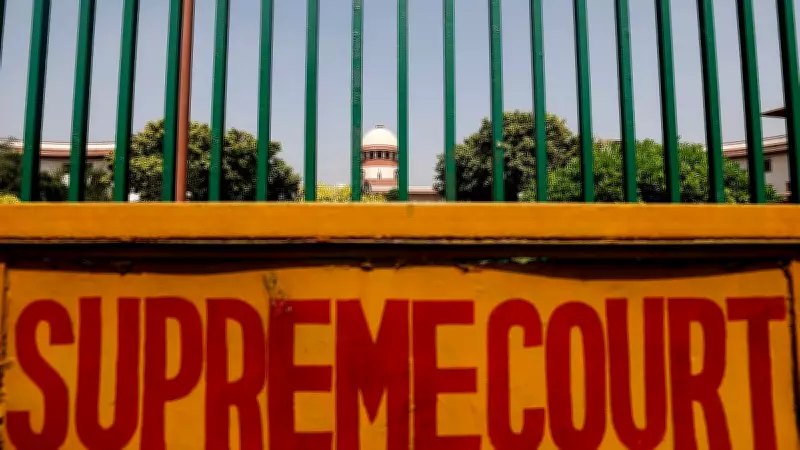
Supreme Court Deems 2018 Guidelines on Cow Vigilantism and Mobocracy "Unmanageable"
The Supreme Court of India has raised significant concerns regarding the practical implementation of its own 2018 guidelines designed to prevent cow vigilantism and mobocracy. During a recent hearing, the court described these directives as "unmanageable," highlighting ongoing challenges in enforcing measures against mob violence and vigilantism across the country.
Contempt Petition Hearing Reveals Systemic Issues
The court was addressing a contempt petition filed by Samastha Kerala Jamiathul Ulema, a prominent Muslim organization from Kerala. The petition alleges non-compliance with the directions issued in the Supreme Court's landmark 2018 decision, which aimed to establish robust mechanisms to curb incidents of mob lynching and cow vigilantism.
The 2018 judgment had laid down comprehensive guidelines for state governments and law enforcement agencies, including:
- Appointing nodal officers in each district to monitor and prevent such incidents.
- Ensuring swift investigation and prosecution of offenders involved in mob violence.
- Implementing preventive measures to protect vulnerable communities from vigilante attacks.
- Providing compensation and rehabilitation for victims of mob lynching.
Persistent Non-Compliance and Enforcement Hurdles
Despite these directives, the court noted that compliance has been inconsistent and inadequate. The term "unmanageable" reflects the judiciary's frustration with the logistical and administrative difficulties in monitoring and enforcing these guidelines effectively. This admission underscores a broader issue of implementation gaps in India's legal framework, where well-intentioned rulings often face obstacles in execution at the ground level.
The contempt petition by Samastha Kerala Jamiathul Ulema brings to light specific instances where the 2018 guidelines have not been followed, potentially leading to continued incidents of violence. The organization's involvement highlights the communal dimensions often associated with cow vigilantism, which has disproportionately affected minority communities in various states.
Broader Implications for Law and Order
This development has significant implications for India's efforts to combat mobocracy and ensure rule of law. The Supreme Court's acknowledgment of unmanageability suggests a need for revisiting and possibly revising the 2018 guidelines to make them more practical and enforceable. It also points to deeper systemic issues, such as:
- Inadequate coordination between central and state authorities in implementing court orders.
- Resource constraints and capacity limitations within police forces and administrative bodies.
- Societal and political challenges that hinder the effective curbing of vigilante activities.
As the hearing progresses, legal experts anticipate that the court may issue new directives or call for enhanced reporting mechanisms to ensure better compliance. The outcome could shape future approaches to handling similar cases of mob violence and vigilantism in India.