Arpora-Nagoa Sarpanch Seeks Bail, Points Finger at Secretary in Court
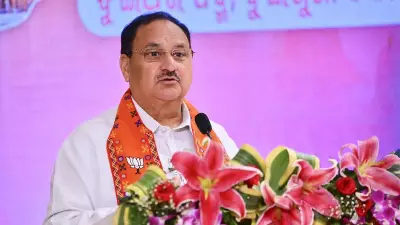
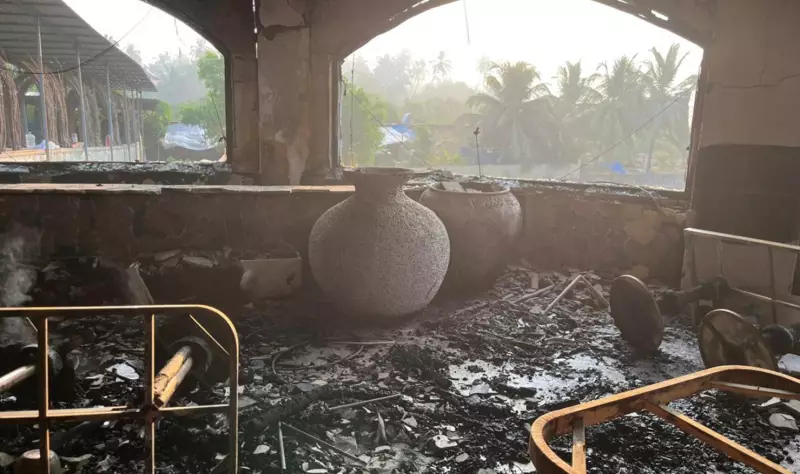
The disqualified sarpanch of the Arpora-Nagoa panchayat appeared before the high court seeking anticipatory bail. He attempted to shift blame onto the dismissed secretary for lapses in post-trade licence procedures. This legal move connects directly to the ongoing Birch by Romeo Lane fire case investigation.
Sarpanch's Defense: Secretary Kept Panchayat in the Dark
Senior advocate Nitin Sardesai presented arguments on behalf of the sarpanch. He firmly stated that his client cannot be held responsible for the post-trade licence irregularities. Sardesai contended that the secretary deliberately kept both the panchayat body and the sarpanch completely unaware of critical developments.
The advocate provided a timeline to the court. He noted that the panchayat had been issuing trade licences for the specific property since 2014. Importantly, his client was not serving as sarpanch at that initial time. The relevant trade licence eventually expired on March 31, 2024. The panchayat then issued a show-cause notice in March 2025. This notice accused the business, which included a nightclub, of operating illegally without a valid licence.

Court Questions Unexplained Delay in Notice
The high court judge immediately identified a puzzling gap in the timeline. The court questioned why the panchayat waited "almost one year" to issue the show-cause notice after the trade licence had expired. Sardesai responded by reiterating his core argument. He claimed the necessary information about the expiry was never presented to the panchayat for discussion. According to him, the secretary successfully concealed these facts from the elected body.
The court made another critical observation. A demolition notice for the property was actually issued on April 4, 2024. This was just four days after the trade licence lapsed. Yet, the panchayat still took a full year to follow up with the show-cause notice. Sardesai explained this delay by stating the panchayat did not want to initiate parallel legal proceedings. Since a demolition order was already in place, the body operated under the impression the structures would be torn down. He insisted the secretary should have formally brought the licence issue before the panchayat.
Legal Wrangling Over Demolition and Licence Procedures
Sardesai further informed the court that the director of panchayats had issued a stay on the demolition notice. While reviewing the case roznama, the judge noted an interesting detail. On June 11, 2024, when the stay was granted, the advocate representing the panchayat was absent from proceedings despite being properly served.
The defense then argued a key procedural point. Sardesai emphasized that granting a trade licence is never an individual act by the sarpanch alone. It is always a collective decision made by the entire panchayat body. He described the panchayat's role as merely a starting point in the permissions process. After a panchayat issues a licence, the involved parties must independently approach other government departments to obtain necessary No Objection Certificates (NOCs).
The judge probed this assertion. He asked whether a panchayat bears no responsibility to ensure mandatory permissions are secured before it grants a trade licence.
Prosecution Highlights Flawed Licence Issuance
Public prosecutor S Karpe presented the state's perspective. He clarified the standard procedure panchayats are supposed to follow. According to Karpe, panchayats must first grant a provisional licence. The applicant then uses this provisional document to obtain all other required NOCs from various departments. Only after submitting proof of these NOCs should the panchayat issue a final trade licence.
Karpe stated that in this specific case, the Arpora-Nagoa panchayat bypassed this crucial step. It issued a final trade licence directly, without first requiring a provisional one. The prosecutor referenced a government memorandum issued in October 2017. This memorandum clearly lays down the procedure for issuing trade licences. It mandates provisional permission first and provides a detailed checklist that all panchayats must follow before granting any final licence.

The high court will continue hearing arguments on the anticipatory bail pleas from both the sarpanch and the secretary on Tuesday.