Rajasthan ATS Uncovers Sophisticated Aadhaar Fraud Operation in Bhadra
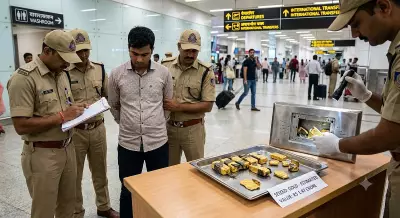
In a significant crackdown on identity fraud, the Rajasthan Anti-Terrorist Squad (ATS) and Hanumangarh district police conducted a joint operation on Friday, exposing a highly sophisticated illegal Aadhaar enrolment centre in the Bhadra area. The operation revealed a meticulously organised setup designed to generate Aadhaar cards using forged biometric data, a scheme officials warn has profound implications for national security and public safety.
Arrest and Modus Operandi of the Accused
The accused, identified as Kuldeep Sharma, was arrested on the spot during the raid. Sharma was allegedly fraudulently creating Aadhaar cards by misusing the operator IDs of two legitimate individuals, Jaswant and Aamir Khan. According to SP (ATS) Gyan Chand Yadav, the breakthrough followed credible intelligence inputs indicating that fraudulent Aadhaar enrolments were being conducted at the location and that these documents were being exploited for illegal activities.
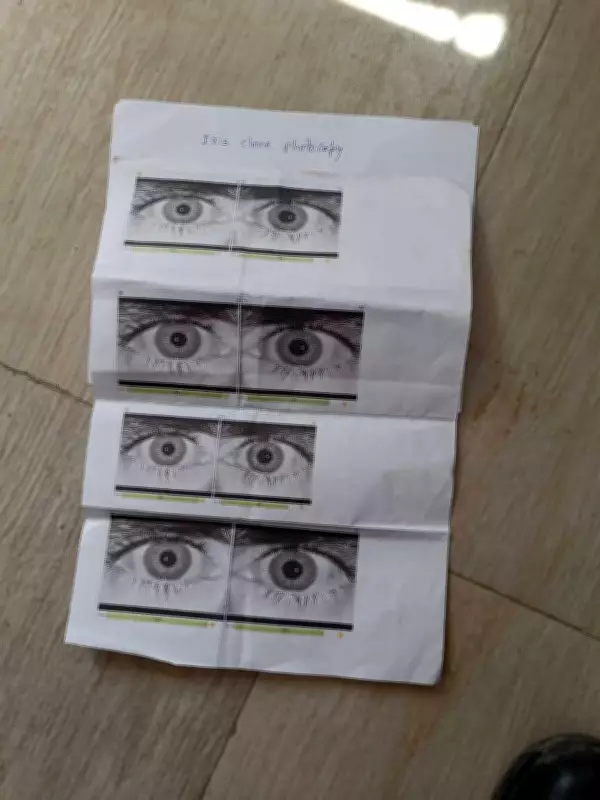
Investigators discovered a methodically organised operation aimed at defeating advanced biometric safeguards. Sharma was found using dummy fingerprints crafted from red and white rubber to gain unauthorised access to the Aadhaar enrolment system. Additionally, police recovered paper-based replicas of retina images, which were allegedly placed in front of iris scanners to bypass verification protocols, showcasing a high level of technical ingenuity in the fraud.

Systematic Fraud and Scale of the Racket
Further examination uncovered that Sharma was forging signatures on enrolment receipts in the names of the legitimate operators, indicating a systematic attempt to conceal the fraud and sustain operations over an extended period. Officials reported that hundreds of enrolment receipts were recovered from the site, pointing to the extensive scale of the racket and suggesting that numerous fraudulent Aadhaar cards may have been issued.
The recovery from the premises included a range of equipment used in the illicit operation: a laptop, printer, iris scanning device, palm fingerprint scanner, GPS unit, camera, mobile phone, and materials such as fingerprint dye and rubber moulds for fabricating biometric inputs. Investigators believe this equipment was employed to produce Aadhaar cards in bulk using stolen or misused credentials, potentially facilitating widespread identity theft.
National Security Threats and Ongoing Investigations
Officials have issued stern warnings about the grave threats posed by Aadhaar documents generated through such fraudulent means. These fake identities can be used to obtain SIM cards, open bank accounts, and facilitate financial fraud or other organised criminal activities. The possibility of such identities being exploited in activities prejudicial to national security is currently under intense investigation, with authorities concerned about potential links to terrorism or espionage.
Kuldeep Sharma is now being interrogated by a joint team of ATS and district police to identify individuals who obtained Aadhaar cards through this illegal channel. Investigators are also probing whether the racket has connections to a wider interstate network or organised cybercrime syndicates, which could amplify the security risks.
Forensic Analysis and Broader Implications
Forensic analysis of the seized laptop and mobile phone is underway to retrieve data on past transactions, enrolments, and possible collaborators. Preliminary findings suggest a well-planned operation with the potential to impact multiple states, highlighting vulnerabilities in the Aadhaar system's security measures. This case underscores the urgent need for enhanced vigilance and technological upgrades to prevent similar frauds in the future.
The exposure of this racket serves as a critical reminder of the importance of safeguarding biometric data and strengthening enrolment processes to protect against identity fraud and ensure national security.