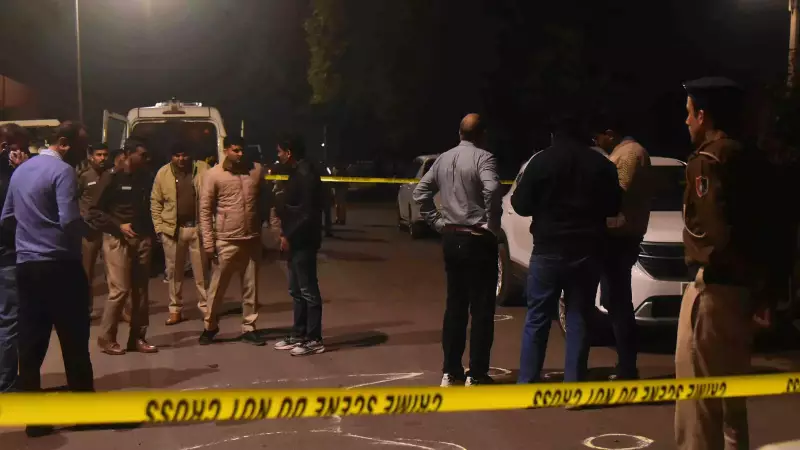
A disturbing new pattern of violence is unsettling Punjab, transforming places of celebration and public transport into potential crime scenes. Recent months have witnessed a sharp increase in targeted shootings, with assailants brazenly striking at wedding functions and public buses. This alarming trend points to a calculated shift in tactics by organized criminal elements, putting ordinary citizens in the crosshairs and challenging law enforcement.
The New Frontlines: Celebrations and Public Transport
Gone are the days when isolated farmhouses or deserted areas were the primary backdrop for gangland violence. Punjab Police data indicates a worrying pivot towards soft targets with high civilian footfall. Wedding venues, bustling with guests and festivities, have emerged as a particularly shocking location for targeted killings. In one recent incident, assailants opened fire at a wedding party in a rural area, leading to casualties and widespread panic among attendees who were present for a joyous occasion.
Similarly, public transport, especially state-run and private buses, has become another focal point. Shooters have boarded buses to identify and attack specific individuals, turning a routine journey into a nightmare for passengers. This method not only endangers the target but also poses a grave risk to dozens of innocent bystanders. The sheer audacity of these attacks in crowded, public spaces marks a significant escalation in the state's crime landscape.

Behind the Violence: Motives and Criminal Networks
Police investigations into these incidents suggest deep-rooted connections to organized crime syndicates involved in drug trafficking, extortion, and gang rivalries. The targets are often individuals linked to these networks, with hits ordered from within jails or from overseas handlers. The choice of venue is strategic: it maximizes psychological impact, ensures a large audience, and often provides a chaotic environment that aids the perpetrators' escape.
Law enforcement officials point to the complex web of operations. "These are not random acts of violence," a senior police officer involved in multiple probes stated. "They are meticulously planned executions. Using weddings or buses allows the perpetrators to catch their target off-guard, often when their security is lowered. It's a tactic of intimidation as much as elimination." The inter-district and sometimes cross-border movement of these criminal modules further complicates the task of the police.
Police Response and Mounting Public Concern
In response to this surge, the Punjab Police have intensified their crackdown. Measures include:
- Increased nakabandi (checkpoints) and patrolling around major wedding venues and bus terminals.
- Enhanced intelligence gathering to intercept communication between gang members.
- Revisiting security protocols for known individuals under threat, even in public settings.
- Coordinated operations with neighboring states to track the movement of criminal elements.
Despite these steps, a palpable sense of anxiety grips communities. Families planning weddings now have to consider security as a major factor, and commuters are increasingly wary. The fundamental sense of safety in public gatherings and transit has been eroded. Community leaders and citizen groups are calling for more visible policing and faster justice to deter such brazen acts.
The transformation of weddings and buses into crime scenes is more than a law-and-order statistic; it is a direct assault on Punjab's social fabric. It underscores the adaptive and ruthless nature of modern organized crime. While the police battle to dismantle these networks, the ultimate challenge lies in restoring public confidence and ensuring that spaces of joy and everyday travel are no longer shadowed by fear.