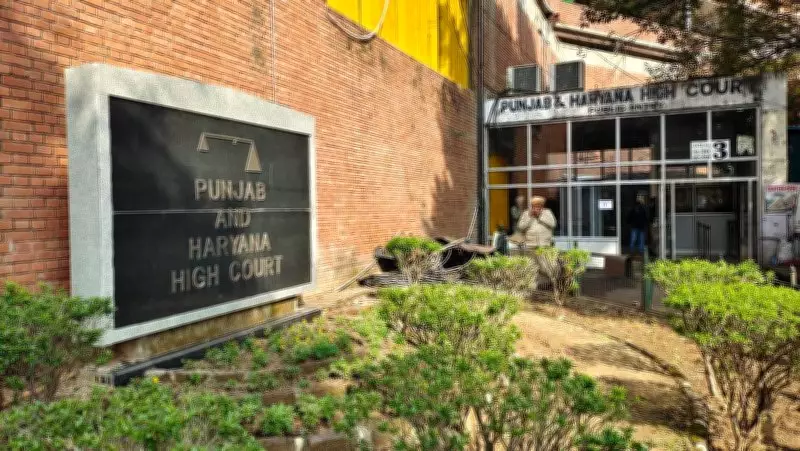
Punjab High Court Grills Developer Over Tree Felling Request for Marriage Hall
In a significant development highlighting the clash between urban development and environmental preservation, the Punjab and Haryana High Court has raised serious questions about a developer's application to fell trees for constructing a marriage hall. Chief Justice Sheel Nagu, presiding over the case, expressed strong reservations, challenging the justification provided by the builder.
Court's Environmental Concerns Take Center Stage
During the hearing, Chief Justice Nagu pointedly asked whether the proposed marriage hall project warranted the destruction of mature trees. He emphasized that environmental considerations must outweigh commercial interests, especially in regions like Punjab where green cover is already under pressure. The court noted that such permissions should not be granted lightly, as trees play a crucial role in mitigating pollution, supporting biodiversity, and maintaining ecological balance.
The developer had sought approval under relevant state laws to clear the land for the wedding venue. However, the bench scrutinized the necessity of the tree felling, questioning if alternative sites or designs could minimize environmental impact. This reflects a growing judicial trend in India where courts are increasingly prioritizing sustainability in development projects.
Broader Implications for Punjab's Development Policies
This case underscores a critical issue in Punjab's urban planning: balancing rapid infrastructure growth with environmental stewardship. Local authorities often face pressure from real estate projects, but judicial interventions like this signal a shift toward stricter enforcement of green norms. Experts suggest that such rulings could set precedents for future applications, encouraging developers to adopt eco-friendly practices from the outset.
Environmental activists have welcomed the court's stance, arguing that unchecked tree removal exacerbates climate change and degrades quality of life. They advocate for mandatory afforestation or compensatory planting as part of approval processes for such projects. The High Court's inquiry may prompt policymakers to revisit regulations, ensuring that development does not come at the cost of Punjab's natural heritage.
What Happens Next in the Legal Battle?
The court has directed the developer to submit a detailed report addressing environmental concerns, including:
- An assessment of the ecological impact of tree felling.
- Plans for compensatory afforestation or green alternatives.
- Justification for choosing this specific site over less environmentally sensitive locations.
This move indicates that the judiciary is taking a proactive role in safeguarding the environment, potentially delaying or altering the project based on the findings. The outcome could influence similar cases across the region, reinforcing the principle that sustainable development is non-negotiable.