Punjab DGP Upholds Legality of FIR Against Kapil Mishra, Emphasizes Police Accountability to Judicial Authorities
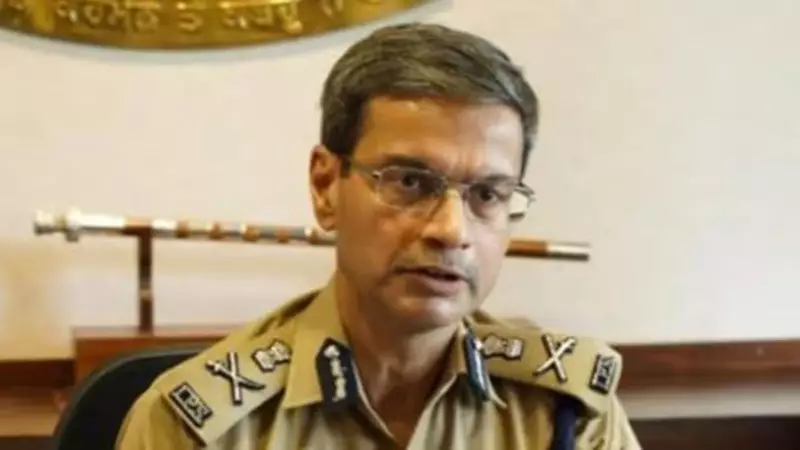
In a detailed response to the Delhi Assembly secretary, Punjab Director General of Police Gaurav Yadav has firmly stated that the registration of a First Information Report (FIR) against Delhi Minister Kapil Mishra was conducted strictly in accordance with the law. The DGP emphasized that Punjab Police's investigative accountability is directed towards the courts, and there exists no legal provision for legislative oversight in such matters.
Background of the Controversial Video and FIR Registration
The controversy stems from an alleged doctored video clip of Aam Aadmi Party leader Atishi, which was reportedly uploaded on Kapil Mishra's social media handle. The video purportedly showed Atishi making derogatory remarks against Sikh Gurus, a claim she has vehemently denied, attributing the manipulation to the BJP. The DGP's reply, submitted on January 21 and forwarded via the Punjab government's Department of Home Affairs, addresses a January 10 notice issued by the Delhi Assembly for breach of privileges.
According to the DGP, the FIR was initiated based on a written complaint from a Jalandhar resident. The complainant alleged that on January 7, video clips circulating on social media depicted Atishi making offensive comments about Sikh Gurus. Forensic examination conducted at the State Forensic Science Laboratory in SAS Nagar (Mohali) revealed that the word 'Guru' was not uttered in the original audio, confirming tampering.
Legal Justification and Police Duties
Gaurav Yadav clarified that the Jalandhar Commissionerate Police acted lawfully upon receiving a complaint that disclosed cognizable offences. He underscored that jurisdictional police officers are obligated to register an FIR when allegations suggest the commission of such offences. The DGP highlighted that the investigation aims to determine whether any part of Atishi's original speech constitutes an offence, focusing on acts committed outside the Assembly by unknown individuals.
The DGP elaborated, "The genesis of the alleged offences being investigated is the act of clipping or cropping a video clip and subjecting it to digital tampering through the imposition of offending subtitles." He reiterated that the FIR targets those who manipulated the video, not Atishi herself, whose speech inside the House is protected by legislative privilege.
Challenges to Legislative Oversight and State Authority
In his reply, the DGP questioned the Delhi Assembly's assertion of legislative privilege, noting that constitutional protections apply only to publications authorized by the legislature. Since the video clips were not published under the Assembly's authority, the privilege does not extend to this case. He further pointed out that the privilege safeguards members speaking on the House floor, such as Atishi, but not external manipulations of their speeches.
The DGP emphasized that investigative accountability under the Bharatiya Nagarik Suraksha Sanhita, 2023 (BNSS) rests exclusively with judicial magistrates and competent courts. He stated, "No provision of the BNSS or any other statute grants oversight or control to any legislature, especially over police forces of another state on matters impacting law and order."
Broader Implications for Law and Order in Punjab
Gaurav Yadav highlighted the sensitive nature of the case, given Punjab's history of cross-border terrorism and internal disturbances with religious undertones. He warned that offences on social media, with their rapid and widespread viewership, could seriously jeopardize law and order in the state. The DGP stressed the critical need for prompt police action to prevent disturbances to public peace and tranquility.
He also noted that public order and police are exclusively within the state's domain under the Constitution, reinforcing Punjab's authority in this matter. Jalandhar Police Commissioner Dhanpreet Kaur has filed a similar reply, supporting the DGP's stance.
This development underscores the ongoing tensions between state police autonomy and legislative oversight, with significant implications for inter-state relations and digital accountability in India.