

A tragic incident of a suspected poacher being killed by his own trap unfolded in the mangrove forests of Odisha's Kendrapada district. The event highlights the grave dangers of illegal wildlife poaching and the human cost of such activities.
The Fatal Evening in Bhitarkanika
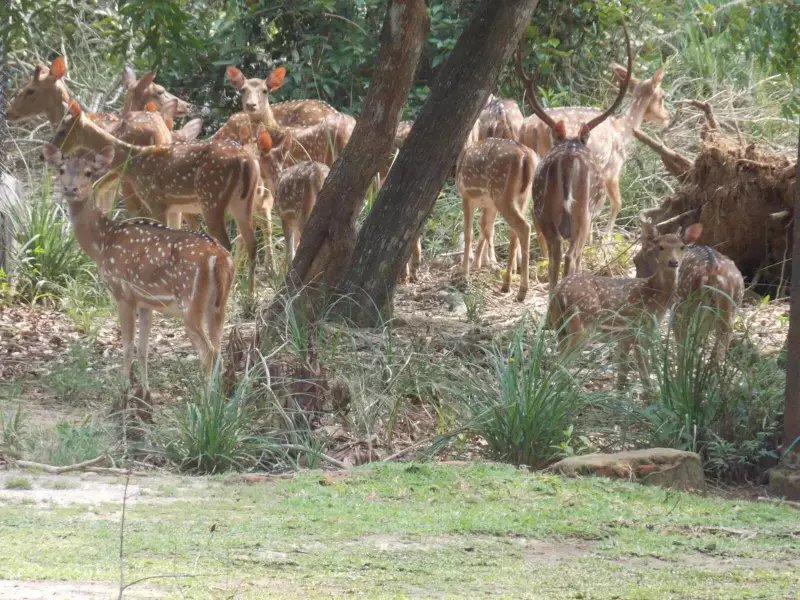
On Saturday evening, near Suniti village within the bounds of the renowned Bhitarkanika National Park, a 37-year-old man met a gruesome end. The deceased, identified as Nitai Manna, is believed to have been electrocuted by a live-wire trap he himself had set to hunt spotted deer and wild boar.
Forest officials stated that the preliminary investigation suggests Manna forgot to disconnect the power supply before approaching or checking the concealed wire. Villagers who stumbled upon the scene later that evening discovered his lifeless body and alerted the authorities.

Official Response and Conflicting Claims
Santanu Kumar Dalei, the Forest Range Officer of Mahakalapada, provided details of the immediate action taken. "Forest and police officers rushed to the spot, recovered the body, and sent it to the government hospital in Kendrapada for autopsy," Dalei confirmed.
He further revealed that crucial evidence was found on the man's person. "We seized an electric tester and an electric plug from the deceased’s pocket," the officer added, implying the items were used for setting up the illegal trap.
However, a conflicting narrative emerged from the victim's family. His wife, Jamuna This incident casts a stark light on the persistent issue of poaching within protected areas like Bhitarkanika National Park. The use of lethal electric traps is a severe threat not only to protected wildlife like spotted deer and wild boar but also poses a significant risk to other forest users and even the poachers themselves, as this case tragically demonstrates. The forest department's seizure of equipment points towards an ongoing investigation to ascertain the full circumstances of the death. The conflicting statements between officials and the family also underscore the complex challenges in policing wildlife crimes in remote and dense mangrove ecosystems. While the autopsy report will be crucial, the event serves as a grim reminder of the dangers associated with illegal activities in forest reserves and the continuous efforts required to curb wildlife crime in Odisha.Broader Implications and Ongoing Concerns






