Pakistani Human Rights Lawyers Receive 17-Year Prison Sentences for Social Media Activity
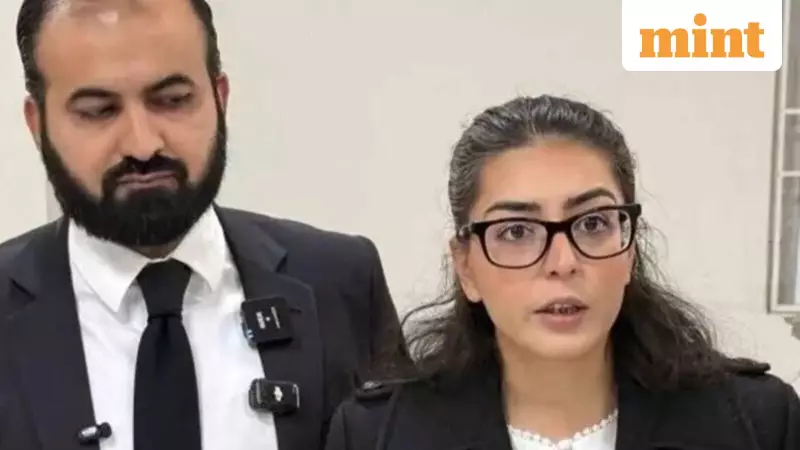
In a controversial ruling that has sparked international condemnation, a Pakistani court has sentenced two prominent human rights lawyers to seventeen years in prison each over social media posts deemed hostile to the state. The verdict, delivered on Saturday by Judge Afzal Majoka, targets Zainab Mazari and her husband Hadi Ali Chattha, both known for defending journalists and activists.
Court Proceedings and Arrest Details
According to official court documents, the couple was arrested in Islamabad on Friday and appeared briefly via video link during the hearing. However, they boycotted the proceedings, which led the court to conclude the trial swiftly and announce the verdict. Family members and friends have denounced the ruling as unjust and politically motivated.
The case originated from a complaint filed in August 2025 with the National Cyber Crime Investigation Agency. The complaint alleged that the lawyers used social media platforms to malign Pakistan's state institutions and security agencies. They were formally indicted in October 2025 and had repeatedly refused to appear in court prior to their arrest.

Allegations and Prosecution Claims
In his verdict, Judge Majoka referenced the complaint, which accused Mazari of "consistently disseminating highly offensive, misleading, and anti-state content on social media" with the "active connivance" of her husband. The prosecution further claimed that her tweets "portrayed the agenda" of outlawed groups, including the Baloch separatist movement and the Pakistani Taliban.
Additionally, the prosecution argued that Mazari propagated a narrative aligning with hostile terrorist organizations and proscribed entities. The couple has consistently denied all charges, maintaining their innocence throughout the legal process.
International and Domestic Reactions
Human rights organizations worldwide have condemned the arrests and sentencing. Amnesty International issued a statement on Friday, describing the detention as "the latest escalation in a sustained campaign of judicial harassment and intimidation by the Pakistani authorities." The group reported that eyewitnesses observed excessive force during the arrest, with no reasons provided initially, raising safety concerns.
Domestically, the verdict has drawn mixed reactions. Pakistan's Information Minister, Attaullah Tarar, praised the decision, posting on social media that "As you sow, so shall you reap!" and noting the sentencing under cyber laws. Conversely, Mazari's mother, Shireen Mazari—Pakistan's former human rights minister—denounced the verdict on social media as "totally illegal."
Broader Context of Human Rights in Pakistan
This case highlights the increasing pressure on human rights activists in Pakistan, where the government has intensified crackdowns on criticism and dissent. Mazari and Chattha have represented numerous journalists, political figures, and activists detained without formal charges or court appearances, making them targets in a broader pattern of suppression.
The sentencing underscores the precarious environment for free speech and legal advocacy in the region, with cyber laws being leveraged to silence opposition. As the international community calls for their release, the future of human rights defense in Pakistan remains uncertain amid escalating governmental control.