Pakistani National Found Guilty in US Court for Assassination Plot Against Trump
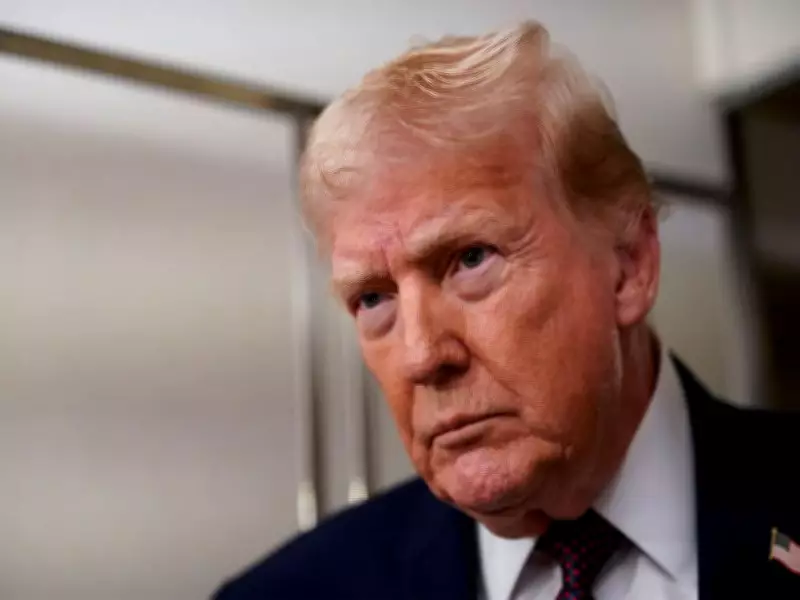
A Pakistani citizen has been convicted by a United States court for his involvement in a conspiracy to assassinate former President Donald Trump. The plot was allegedly motivated by revenge for the US drone strike that killed Iranian military commander Qasem Soleimani in 2020.
Details of the Plot and Legal Proceedings
The individual, whose identity has been confirmed as a Pakistani national, was found guilty after a thorough investigation and trial. Prosecutors presented evidence showing that he planned to target Trump in response to the death of Soleimani, a key figure in Iran's Islamic Revolutionary Guard Corps. The plot was uncovered by US authorities, who have been vigilant about threats against high-profile political figures.
Motivation and Background: The conviction highlights the ongoing tensions between the US and Iran, stemming from the 2020 assassination of Soleimani. This event has sparked numerous threats and retaliatory actions, with this case being one of the most significant involving a foreign national. The Pakistani man's actions were described as a direct attempt to avenge Soleimani's death, underscoring the global ramifications of the US-Iran conflict.
Implications for International Relations and Security
This case raises important questions about cross-border terrorism and the security measures in place to protect former US presidents. It also sheds light on how international incidents can inspire individuals to take extreme measures. The conviction serves as a reminder of the persistent threats faced by political leaders and the need for robust counterterrorism efforts.
Legal and Diplomatic Repercussions: The trial has drawn attention from both Pakistani and Iranian officials, though reactions have been mixed. While the US government has emphasized its commitment to prosecuting such threats, the case could strain diplomatic relations, particularly given the sensitive nature of the Soleimani killing. Experts warn that similar plots may emerge as long as geopolitical tensions remain high.
In summary, the conviction of a Pakistani national for plotting to kill Donald Trump over the death of Qasem Soleimani marks a significant development in US security and international law. It underscores the complex interplay between global politics and individual actions, with potential long-term effects on diplomatic ties and anti-terrorism strategies.