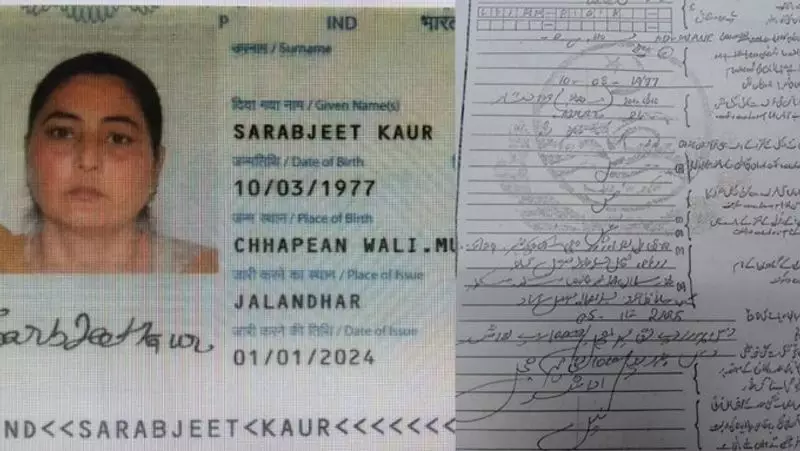
In a significant development for cross-border marriages and religious freedom, the Lahore High Court has intervened to protect an Indian Sikh woman from ongoing police harassment following her marriage to a Pakistani Muslim man. The court's decisive action came during a hearing on Wednesday, where Justice Anwarul Haq Pannun directed the Punjab police to immediately cease all forms of intimidation and harassment against Kiran Bala and her husband, Muhammad Azam.
Court Intervention Stops Police Overreach
The Lahore High Court took suo motu notice of the case after concerning reports emerged about police repeatedly summoning and pressuring the couple. Justice Pannun specifically ordered the Punjab Inspector General of Police and Lahore Capital City Police Officer to take strict action against any officers found harassing the family. This judicial intervention highlights the court's commitment to protecting citizens' fundamental rights regardless of their religious background or nationality.
During the court proceedings, it was revealed that police had been regularly calling the couple to the police station and subjecting them to unnecessary questioning about their marriage. The court emphasized that such actions constituted clear harassment and violated the couple's basic rights to privacy and family life.
Love Story Crosses Borders and Religions
Kiran Bala, originally from India's Punjab state, married Muhammad Azam in 2022 after converting to Islam. The couple's union represents one of many cross-border marriages that face intense scrutiny from both societal and official quarters. Their marriage certificate was legally issued by a union council in Narowal, confirming the validity of their union under Pakistani law.
Despite the legal recognition of their marriage, the couple faced persistent challenges from local authorities. The court noted that the continuous police interference created an atmosphere of fear and uncertainty for the newlyweds, potentially jeopardizing their safety and wellbeing.
Broader Implications for Interfaith Marriages
This case has drawn attention to the challenges faced by interfaith couples in Pakistan, particularly those involving foreign nationals. The court's firm stance sets an important precedent for protecting religious minorities and upholding the sanctity of legally recognized marriages. Legal experts suggest this ruling could influence future cases involving cross-border and interreligious relationships.
The judgment also underscores the judiciary's role in checking executive overreach and protecting vulnerable individuals from state machinery. By taking suo motu notice, the court demonstrated its willingness to act proactively in matters of fundamental rights and personal freedoms.
As the couple returns to their normal life free from police harassment, this case serves as a reminder of the ongoing struggles faced by interfaith couples in South Asia and the importance of judicial protection for minority rights. The Lahore High Court's intervention has not only provided relief to one couple but has also reinforced legal protections for all citizens in similar situations.