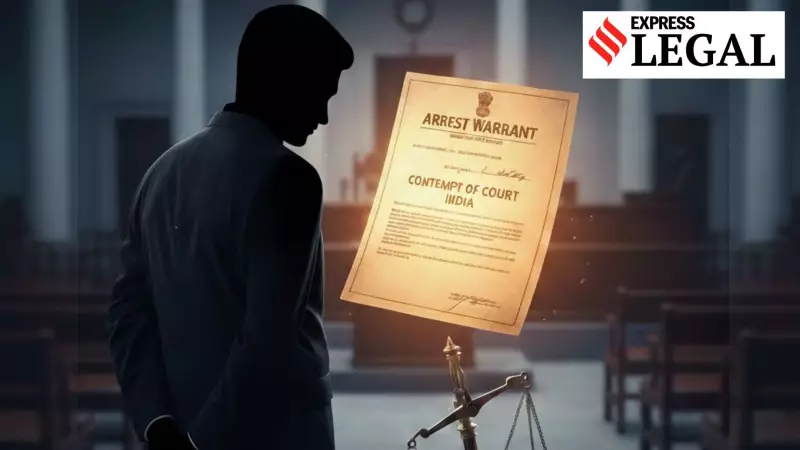
Orissa High Court Takes Stern Action Against Education Secretary in Contempt Case
In a significant legal development, the Orissa High Court has issued an arrest warrant against the state's Education Secretary for non-compliance with judicial directives. This drastic measure comes after repeated failures to implement court orders concerning unpaid increments for government employees, underscoring the court's zero-tolerance approach towards contempt of its rulings.
Background of the Contempt Proceedings
The case originated from a longstanding dispute where employees under the education department were denied their rightful increments and other financial benefits. Despite clear court orders mandating the disbursement of these dues, the authorities, including the Education Secretary, allegedly neglected to take necessary action. The court had previously issued notices and warnings, but the lack of compliance prompted this severe step.
Legal experts note that such warrants against high-ranking officials are rare and reflect the judiciary's growing impatience with bureaucratic delays. The contempt of court proceedings highlight the broader issue of administrative inefficiency in implementing judicial decisions, which can erode public trust in the legal system.
Implications for Governance and Employee Rights
This incident raises critical questions about governance and accountability within state departments. The failure to pay increments not only violates employee rights but also disregards court mandates, setting a dangerous precedent. Employees affected by such delays often face financial hardships, and this court action serves as a reminder that officials must prioritize lawful compliance.
Moreover, the case underscores the importance of timely execution of court orders to uphold the rule of law. It sends a strong message to other departments that similar negligence could lead to legal consequences, potentially improving administrative responsiveness in the future.
Next Steps and Legal Recourse
Following the issuance of the arrest warrant, the Education Secretary is expected to appear before the court to explain the delays. Legal avenues for appeal or rectification may be explored, but the immediate focus is on ensuring compliance with the original orders. The court has emphasized that further non-compliance could result in additional penalties, including fines or stricter actions.
This development is closely watched by employee unions and governance advocates, who hope it will catalyze reforms in how state departments handle court directives. It also highlights the judiciary's role in safeguarding employee welfare and enforcing accountability in public administration.