Noida Techie Death Case Takes New Turn with Fresh FIR Against Builders
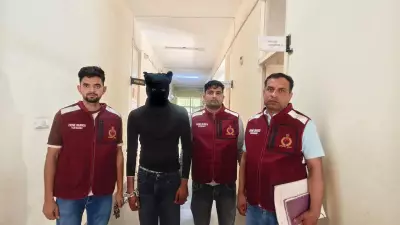
In a major development that has sent shockwaves through the real estate and tech communities, the Noida police have registered a fresh First Information Report (FIR) in the tragic death case of software engineer Yuvraj Mehta. This new legal action specifically targets builders and developers, invoking stringent environmental pollution laws, and names five key accused individuals who are now under the scanner of law enforcement authorities.
Expanding the Legal Framework: Environmental Violations Come to Fore
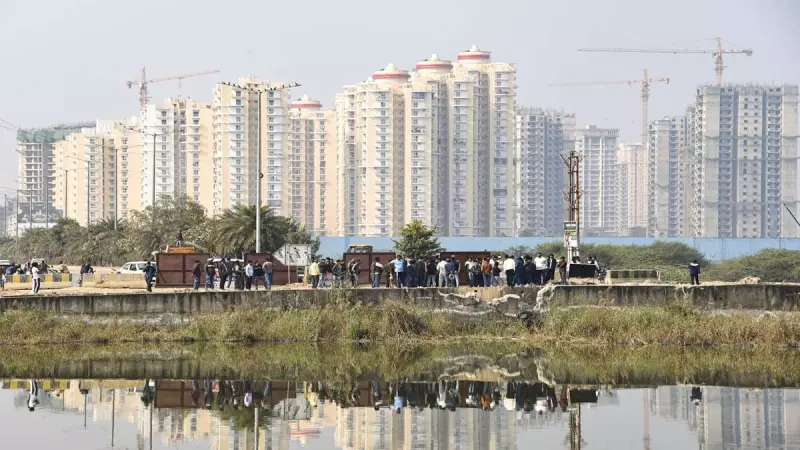
The decision to file this additional FIR marks a significant escalation in the ongoing investigation. Initially focused on the immediate circumstances of Mehta's death, authorities have now broadened their scope to examine potential environmental negligence by construction entities operating in the area. This move underscores a growing recognition of how industrial and construction activities might contribute to hazardous living conditions, potentially impacting public health and safety.
Legal experts highlight that invoking environmental statutes in such a case is relatively uncommon but indicates a serious approach by the police. The laws in question are designed to hold corporations and individuals accountable for pollution control failures, which could include issues like air quality degradation, improper waste disposal, or noise pollution from construction sites. By pursuing this angle, investigators aim to determine whether such violations played any role in the events leading to the techie's untimely death.

Five Accused Named as Investigation Intensifies
While the identities of the five accused have not been publicly disclosed in detail to preserve the integrity of the investigation, sources indicate they include prominent builders and developers associated with projects in and around Noida. The police are meticulously gathering evidence to establish a clear link between their operations and the case. This includes scrutinizing construction permits, environmental clearances, and compliance records to assess any lapses that might have created unsafe conditions.
The investigation team is also examining whether there were any prior complaints or violations related to these accused parties. This aspect of the probe could reveal patterns of negligence, adding weight to the charges under environmental laws. Authorities have emphasized that the inclusion of these individuals in the FIR is based on preliminary findings, and further investigations will determine the extent of their culpability.
Background of the Case and Community Impact
Yuvraj Mehta, a young techie working in Noida's bustling IT sector, was found dead under mysterious circumstances earlier this month. His death initially sparked concerns about safety and living conditions in urban areas, particularly for professionals residing in high-density residential and commercial zones. The case has drawn widespread attention, with calls for stricter enforcement of building codes and environmental regulations to prevent similar tragedies.
Local residents and activists have welcomed the police's latest move, viewing it as a step toward accountability in the real estate industry. Many have long raised alarms about unchecked construction and pollution in Noida, arguing that these factors contribute to health risks and reduced quality of life. The fresh FIR has reignited debates on urban planning and corporate responsibility, with demands for more transparent oversight of development projects.
Next Steps in the Police Investigation
The Noida police have assured that the investigation is progressing methodically, with multiple teams working on different aspects of the case. In addition to the environmental angle, they continue to explore other potential causes of Mehta's death, including personal or professional disputes. The combination of traditional investigative techniques with this new legal approach under pollution laws demonstrates a comprehensive strategy to uncover the truth.

Authorities plan to interview the accused builders, review documentary evidence, and possibly conduct site inspections to gather forensic data. The outcome of this probe could set a precedent for how similar cases are handled in the future, emphasizing the intersection of environmental justice and criminal law. As the investigation unfolds, the public and Mehta's family await answers, hoping for justice and measures to enhance safety standards in urban environments.