The Muslim side has informed the Madhya Pradesh High Court that there is no evidence supporting the claim that a temple was demolished at the Bhojshala complex during the invasion of Alauddin Khilji in 1305. This assertion was made in response to a petition filed by the Hindu Front for Justice, which alleges that Bhojshala was originally a Saraswati temple built by King Bhoj of the Parmar dynasty in 1034 and was later destroyed by Khilji's army.
Background of the Dispute
The Bhojshala complex in Dhar, Madhya Pradesh, has been a site of contention between Hindu and Muslim communities. The Hindu Front for Justice claims that the structure was a temple dedicated to Goddess Saraswati, while the Muslim side maintains that it has been a mosque for centuries. The Archaeological Survey of India (ASI) currently manages the site, allowing both communities to worship there under specific arrangements.
Arguments by the Muslim Side
Representatives of the Muslim community argued before the court that historical records do not indicate any temple demolition at the site during the Khilji period. They emphasized that the existing structure bears architectural features consistent with Islamic design and that no credible evidence links Bhojshala to a pre-existing temple. The Muslim side also pointed out that the ASI's own reports do not confirm the temple demolition theory.

Petitioners' Claims
The Hindu Front for Justice, however, maintains that Bhojshala was originally a temple built by King Bhoj in 1034. They claim that during Alauddin Khilji's invasion of Malwa in 1305, the temple was demolished and later converted into a mosque. The petitioners have submitted various historical texts and inscriptions to support their argument, but the Muslim side has challenged the authenticity and interpretation of these sources.
Court Proceedings
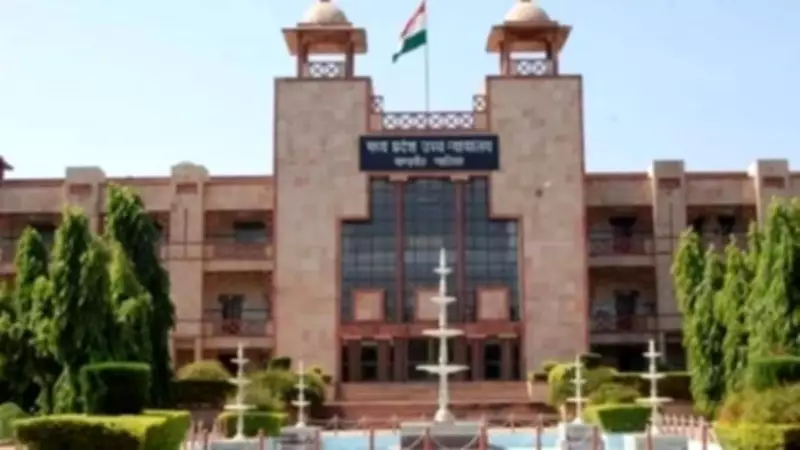
The Madhya Pradesh High Court is currently hearing the case to determine the historical and legal status of the Bhojshala complex. The court has been examining evidence from both sides, including archaeological reports, historical documents, and expert testimonies. The next hearing is scheduled for next month, where further arguments are expected.
Implications
The outcome of this case could have significant implications for religious sites across India that are claimed by multiple communities. It also highlights the challenges of reconciling historical narratives with contemporary legal frameworks. Both sides have expressed willingness to abide by the court's decision, but tensions remain high among local communities.
As the legal battle continues, the Bhojshala complex remains a symbol of India's complex religious history, where layers of past civilizations coexist and sometimes clash. The High Court's verdict will be closely watched by historians, religious groups, and the general public alike.