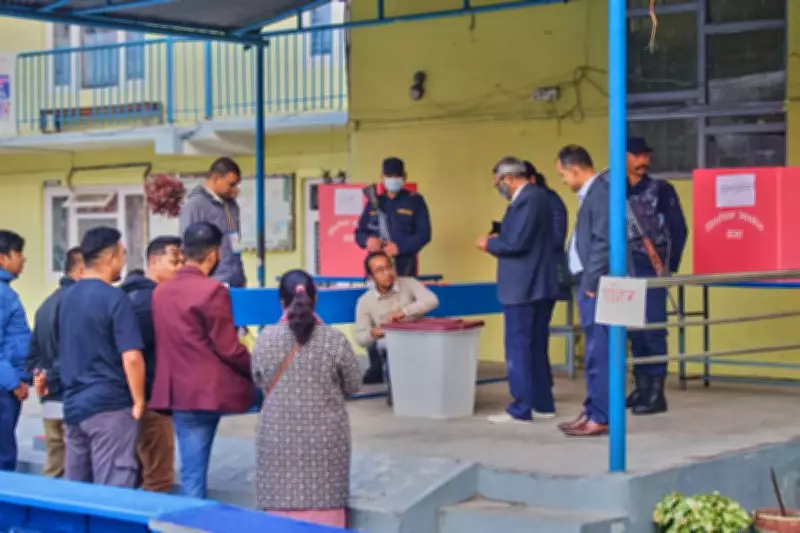
Nepal's 2026 Elections: A Pivotal Political Contest
As Nepal approaches its 2026 general elections, the political landscape is heating up with intense preparations and strategic maneuvering. These elections are set to be a defining moment for the Himalayan nation, shaping its governance, economic policies, and international relations for years to come. The stakes are exceptionally high, with various political factions vying for power in a complex and often fragmented democratic system.
Key Political Players in the Fray
Several major parties are expected to play crucial roles in the upcoming electoral battle. The Nepali Congress, one of the oldest and most established political forces, is likely to be a frontrunner, advocating for democratic values and economic reforms. Meanwhile, the Communist Party of Nepal (Unified Marxist–Leninist) or CPN-UML remains a formidable contender, pushing for socialist policies and national sovereignty.
Another significant player is the Maoist Centre, which has evolved from its insurgent roots into a mainstream political entity, focusing on social justice and federalism. Additionally, smaller regional parties and emerging coalitions could influence the outcome, making the political dynamics highly unpredictable and competitive.
Major Issues and Electoral Agenda
The election campaign is anticipated to revolve around several critical issues that resonate with the Nepalese populace. Economic development and job creation are top priorities, as the country grapples with unemployment and infrastructure challenges. Constitutional implementation and federalism will also be hotly debated, given ongoing disputes over provincial powers and resource allocation.
Other key topics include corruption eradication, social welfare programs, and environmental sustainability. Voters are expected to scrutinize candidates based on their ability to address these pressing concerns and deliver tangible results.
India's Strategic Interests in Nepal's Elections
India maintains a keen interest in Nepal's political developments due to deep-rooted historical, cultural, and strategic ties. As a neighboring country, Nepal's stability and policies directly impact India's security and economic interests. India is particularly focused on:
- Security Cooperation: Ensuring that Nepal's government collaborates on cross-border security issues, including terrorism and illegal activities.
- Economic Partnerships: Promoting trade and investment opportunities, especially in sectors like energy, infrastructure, and tourism.
- Diplomatic Alignment: Fostering a government in Nepal that supports mutual interests and regional stability, countering external influences from other global powers.
India's involvement is often viewed through the lens of maintaining influence in South Asia, but it also reflects a genuine concern for Nepal's democratic progress and prosperity. The outcome of the 2026 elections could significantly shape bilateral relations, making it a closely watched event in Indian diplomatic circles.
Potential Implications and Future Outlook
The results of Nepal's 2026 elections will have far-reaching consequences, both domestically and internationally. A stable and cooperative government could enhance regional cooperation and attract foreign investment. Conversely, political instability might hinder development and strain international ties.
Observers are monitoring how the electoral process unfolds, emphasizing the need for free and fair elections to strengthen Nepal's democracy. As the campaign intensifies, the choices made by Nepalese voters will determine the country's trajectory in an increasingly interconnected world.