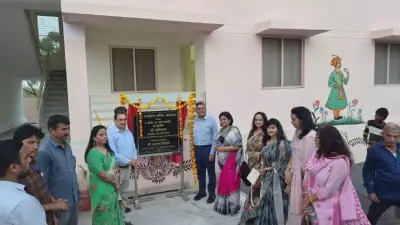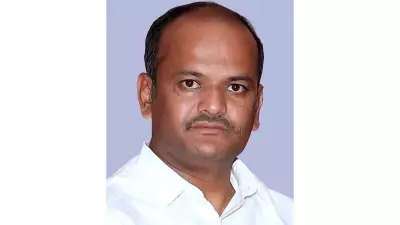
In a significant move, Deputy Chairperson of the Maharashtra Legislative Council, Neelam Gorhe, announced on Sunday her plan to personally visit 'Mathura', the survivor of the pivotal 1972 custodial rape case, within the coming week. This decision follows a front-page report by the Times of India that highlighted the continued hardships faced by the woman, whose case sparked nationwide protests and led to major reforms in India's anti-rape laws.
A Landmark Case, A Forgotten Survivor
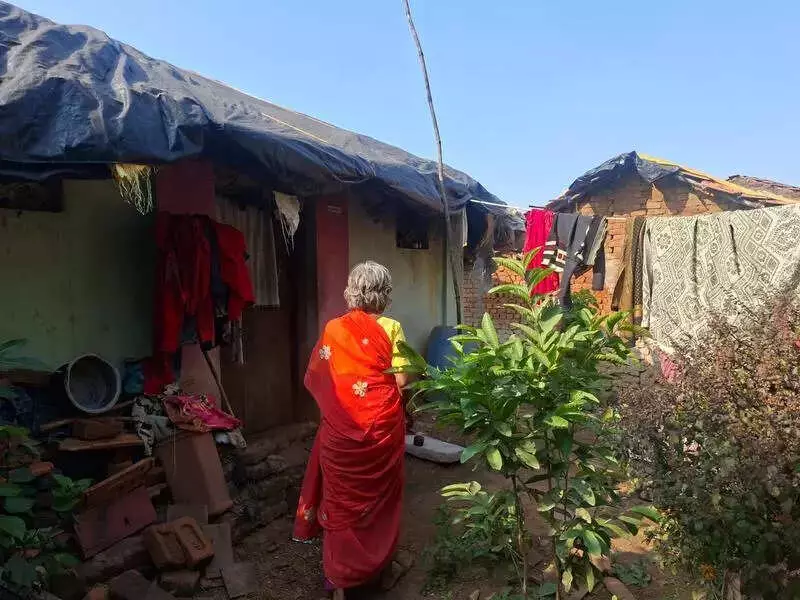
The 1972 Mathura rape case, which involved the custodial rape of a young tribal girl by police officers, became a watershed moment in Indian legal history. The public outcry and subsequent legal battle culminated in crucial amendments to the Evidence Act, the Indian Penal Code, and the Criminal Procedure Code in the 1980s, shifting the burden of proof in custodial rape cases and providing greater protection for survivors. Despite this monumental legacy, Mathura herself has lived in obscurity and poverty for over five decades in a remote village approximately 150 kilometers from Nagpur.
The case recently returned to public discourse after former Chief Justice of India Bhushan Gavai referenced it in his retirement speech. The TOI report on November 30th further revealed that Mathura, now battling partial paralysis, has not sought financial compensation for herself. Her primary appeal has been for employment opportunities for her sons, emphasizing dignity and self-reliance over personal assistance.

Administrative Action and Planned Intervention
Addressing the media at Vidhan Bhavan, Gorhe acknowledged the gravity of the situation. "Despite a packed schedule during the winter session, I will visit 'Mathura' this week," she stated. She confirmed having alerted the administration and discussed the matter with the Chandrapur collector, initiating the process for assistance.
Chandrapur collector Vinay Gowda verified that Gorhe's office has been in communication regarding the visit, though the exact date is yet to be finalized. Gowda disclosed that Mathura has already received assistance of Rs 8 lakh, with an additional Rs 2 lakh in the pipeline. Authorities are also working to sanction land for her through the Swabhiman Yojna under Tribal Development.
Beyond a Single Case: A Broader Mission
Gorhe emphasized that the response should not be limited to one individual. "We are planning to reach out not only to 'Mathura', but also other survivors who can't approach us," she said. She highlighted ongoing legal assistance provided to women in districts like Amravati and Yavatmal, framing Mathura's case as a symbol of a larger, often silent struggle.
Detailing the planned support, Gorhe noted, "We want to understand what further help she needs from society as well... we will look into whether she requires a nursing caretaker or additional medical care." She assured that any support extended would be based on Mathura's real needs and not treated as a mere formality, vowing to ensure she is not kept waiting.
The revelation of Mathura's plight has sparked concern across social and political spheres, leading to renewed demands for direct and meaningful state intervention for the survivor who changed India's legal landscape but remained in the shadows.