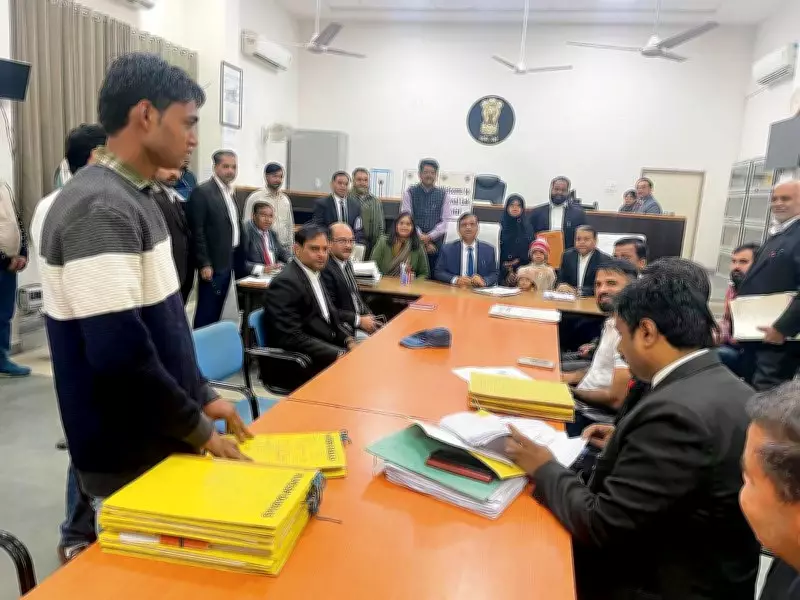
National Lok Adalat Set for May 9 in Mohali to Tackle Case Backlog
In a significant move to alleviate the burden on the judicial system, a National Lok Adalat has been scheduled for May 9 in Mohali. This event is designed to expedite the resolution of numerous pending cases through alternative dispute resolution mechanisms, offering a faster and more accessible path to justice for litigants.
Objectives and Scope of the Lok Adalat
The primary goal of this Lok Adalat is to clear a substantial backlog of cases across various categories, including civil, criminal, and revenue matters. By leveraging conciliation and mediation, the adalat aims to provide amicable settlements without the prolonged delays often associated with traditional court proceedings. This initiative is part of a broader national effort to enhance judicial efficiency and reduce the strain on courts.
Key features of the event include:

- Voluntary participation from parties involved in disputes.
- Focus on cases that are ripe for settlement, such as those involving minor offenses or monetary claims.
- Involvement of legal experts and retired judges to facilitate negotiations.
Impact on the Local Community and Legal System
Holding the Lok Adalat in Mohali is expected to benefit residents by providing a convenient venue for resolving legal issues close to home. This can save time and resources for individuals who might otherwise have to travel to distant courts. Moreover, by settling cases out of court, the adalat helps free up judicial resources, allowing courts to focus on more complex matters that require formal adjudication.
The success of such events often leads to reduced litigation costs and faster relief for parties, contributing to overall public satisfaction with the legal system. Authorities have encouraged litigants with eligible cases to avail themselves of this opportunity to seek timely resolutions.
Broader Implications for Judicial Reform
This Lok Adalat aligns with ongoing judicial reforms aimed at promoting alternative dispute resolution across India. By regularly organizing such events, the legal system seeks to foster a culture of settlement and reduce the ever-growing caseload in courts. It underscores the importance of collaborative justice mechanisms in maintaining the rule of law while ensuring accessibility for all citizens.
As the date approaches, stakeholders are preparing to ensure smooth proceedings, with hopes that this initiative will set a positive precedent for future Lok Adalats nationwide.