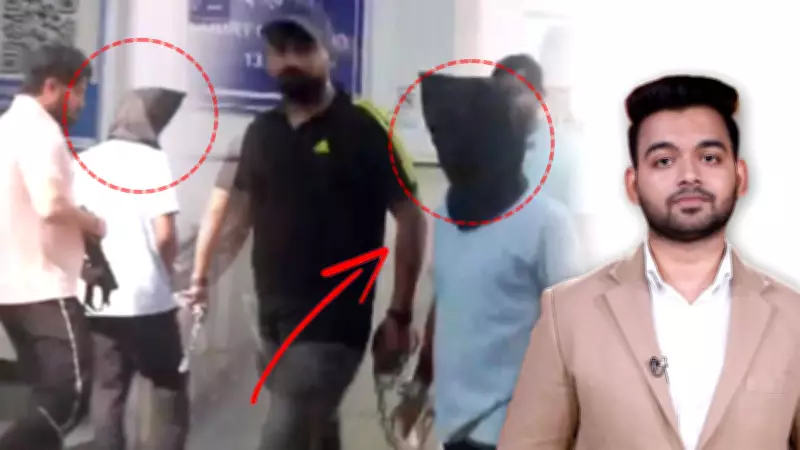
Mumbai Toy Bomb Terror Plot Exposed in Major Security Operation
India's security apparatus has successfully intercepted a chilling terror blueprint that weaponized simplicity as its core strategy. In a significant breakthrough, two individuals apprehended in Mumbai were allegedly members of a radicalized cell orchestrating attacks utilizing remote-controlled toy cars rigged with explosives.
Pan-India Sweep Uncovers Extensive Network
The arrests were executed as part of a comprehensive, nationwide operation spearheaded by the Delhi Police Special Cell, with crucial assistance from the Maharashtra Anti-Terrorism Squad (ATS). This coordinated effort signifies a robust multi-agency approach to counter-terrorism.
During the raids, investigators seized substantial incriminating evidence. This included extremist propaganda materials and a trove of digital communications, which forensic analysis suggests indicate active coordination with handlers linked to terrorist organizations. The recovery of such materials points to a well-structured module with external guidance.

Shift to Low-Cost, High-Impact Terror Tactics
The planned use of modified toy cars as delivery mechanisms for explosives marks a concerning evolution in terrorist methodology. This approach represents a deliberate shift towards low-cost, high-impact tactics that are inherently more difficult for conventional security screening to detect. The accessibility and innocuous appearance of such devices pose a unique challenge to law enforcement agencies.
Further investigation has illuminated the profound influence of online radicalization platforms in recruiting and indoctrinating individuals into this network. Alarmingly, the probe has also uncovered the potential involvement of minors, suggesting efforts to exploit younger, more impressionable demographics.
Nationwide Focus on Dismantling Sleeper Cells
With the immediate threat neutralized, the operational focus has now intensified. Multiple national security agencies are collaborating to meticulously dismantle the remaining infrastructure of this network. The priority is a two-pronged strategy:
- Tracing and neutralizing the overseas and domestic handlers who directed the module.
- Identifying and disrupting any sleeper cell activity that may be dormant across various Indian states.
This case underscores the persistent and adaptive nature of the terror threat facing the nation. It highlights the critical need for continuous intelligence sharing, technological adaptation in surveillance, and community vigilance to counter these evolving, decentralized attack models.