Mumbai ATS Detains Engineering Student in Terror Propaganda Case
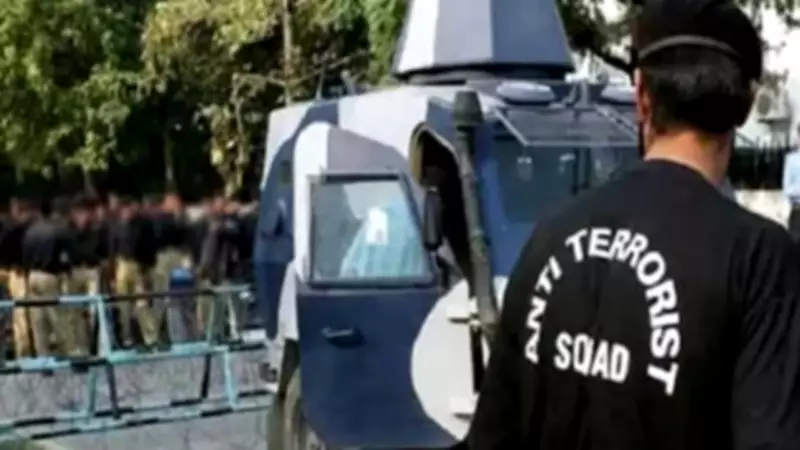
The Maharashtra Anti-Terrorism Squad (ATS) has taken into custody an engineering student from Mumbai for allegedly distributing online propaganda material associated with banned terrorist organisations, according to an official statement. The arrest follows a coordinated investigation into suspected digital radicalisation activities.
Search Operations and Legal Action
In a recent operation, the ATS conducted raids at multiple locations across Mumbai, including areas in Kurla, Govandi, and Shivaji Nagar. These actions were part of a broader probe into online radicalisation linked to proscribed terror outfits. Following the searches, a case was registered under the stringent Unlawful Activities (Prevention) Act (UAPA), and the student, identified as Ayan Sheikh, was arrested.
Electronic devices, such as a laptop and mobile phones, were confiscated during the operations and have been dispatched for forensic analysis to uncover digital evidence.
Intelligence and Evidence Findings
The ATS acted on specific intelligence inputs regarding the spread of propaganda related to banned groups like Jaish-e-Mohammed (JeM) and Islamic State (ISIS). During the examination of Sheikh's devices, investigators allegedly discovered several audio and video clips connected to Masood Azhar, the chief of JeM.
Sheikh was reportedly active on encrypted messaging platforms and Telegram channels, where extremist content was circulated. Multiple chat records were recovered, indicating attempts to promote terrorist recruitment. He is accused of sharing radical material, trying to recruit individuals, and potentially facilitating funding for extremist activities.
Network and Wider Implications
Officials revealed that Sheikh had allegedly attempted to influence two other engineering students, who are his close friends, by exposing them to radical content and adding them to Telegram groups propagating JeM and ISIS ideologies. During raids in Govandi and Kurla, it was found that these youths had accessed extremist material shared by Sheikh, but they are not believed to be actively involved in terror-related acts. Their statements have been recorded as part of the ongoing investigation.
During questioning, Sheikh reportedly disclosed suspicious communications with foreign handlers and individuals linked to banned terror organisations, including JeM and ISIS. Sources indicate that several foreign nationals and suspected facilitators were part of these encrypted messaging groups, which are thought to be associated with sleeper networks and recruitment cells.
Records show that numerous youths and individuals from various states across India were active members of these groups, frequently exchanging extremist content, radicalisation guidance, and recruitment instructions. Investigators are currently analysing digital footprints to map the network, identify individuals undergoing radicalisation, and trace operational links with possible local sleeper cells.
Coordinated Efforts and Future Steps
Digital evidence and communication records have been shared with agencies in other states to coordinate a wider investigation and prevent potential recruitment at the local level. The ATS is also probing Sheikh's financial transactions and digital trail to identify funding channels and logistical support allegedly used for extremist activities.
The accused is scheduled to be produced before a special court in Mumbai on Friday. Officials noted that further arrests in the case cannot be ruled out as the investigation progresses, highlighting the ongoing efforts to combat online terror threats.