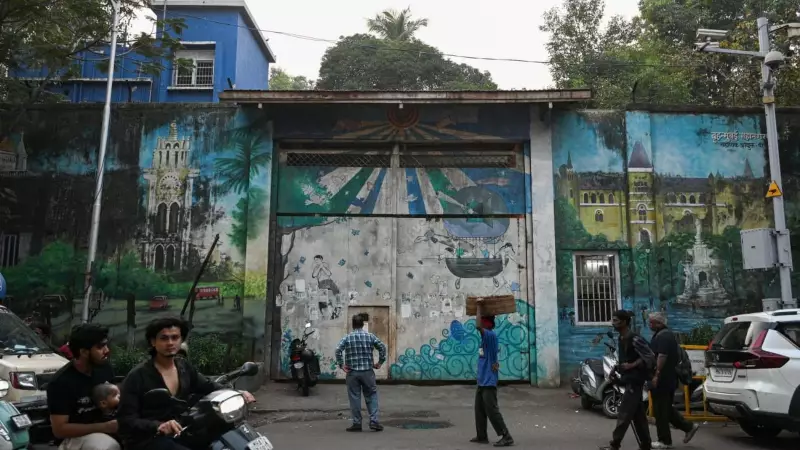
Security Crisis at Mumbai Children's Homes as Guards Protest Unpaid Wages
In a development that has exposed critical vulnerabilities in child protection systems, approximately 40 security guards deployed at three government-run children's homes in Mumbai have ceased reporting for duty after not receiving their salaries since November 2025. This unprecedented work stoppage has created serious safety concerns for the hundreds of juveniles housed at these facilities, many of whom face serious criminal charges or require state protection.
Affected Facilities and Immediate Impact
The security crisis has affected three crucial institutions across Mumbai:
- The Children's Home at Umarkhadi in Dongri
- The children's home in Mankhurd
- The David Sassoon Industrial School in Mahim
These facilities function as observation homes and special homes under the Juvenile Justice Care and Protection of Children Act, providing care, protection, and rehabilitation to children below 18 years who are either in conflict with the law or in need of care and protection. The absence of security personnel has created an alarming situation, particularly at the Dongri facility which houses more than 100 juveniles facing serious charges including murder, attempt to murder, and offences under the NDPS Act.
Contractual Employment and Payment Delays
The security guards, employed through Pune-based private contractor Smart Services, earn approximately Rs 13,000 to Rs 13,500 per month. According to officials familiar with the situation, the guards stopped reporting for work between January 13 and January 15, 2026, after enduring three months without payment.
"Security guards at these homes act like parents," explained a senior officer who requested anonymity. "They keep a close watch on the children and ensure there are no fights inside the barracks. Some of the children are aggressive. If anything happens, who will be responsible? They need to be protected."
Government Response and Partial Payment
Following repeated representations from concerned officials, the Maharashtra government released a tranche of payment late on Friday, January 23, 2026. The Women and Child Development Department disbursed Rs 8.05 crore to Smart Services, covering payments for the period from June to September 2025. However, this leaves dues for October through December still pending, creating continued uncertainty for the guards.
Anup Kumar Yadav, Secretary of the Women and Child Development Department, confirmed the development: "The funds have been released to the commissioner's office and from there they will be given to the agency in one or two days. The guards will get their salary soon."
Human Impact and Financial Distress
The prolonged delay in salary payments has pushed many security guards into severe financial distress. Several have faced eviction from rented accommodations due to unpaid rent, while others have had their electricity connections disconnected following unpaid bills.
Nilesh Tambe, a security guard who has worked at the Dongri children's home for nearly eight years, shared his predicament: "We have not received salary since November. Earlier, salaries were delayed by a month or two, but this time it has been three months. Our families depend entirely on this income, so we decided not to come to work."
Another guard highlighted the inadequacy of their compensation: "Our salary is Rs 13,500 a month, which is already very low. When even that is not paid, how are we supposed to survive?"
Systemic Issues and Contractual Challenges
A senior employee of Smart Services explained the contractual arrangement that has contributed to the payment delays: "Initially, the company pays its employees' salaries and submits the bills to the government department concerned. After due process and verification, the government releases the funds. The process of releasing funds takes time."
The employee further elaborated: "The government does not release funds every month and instead clears payments for a few months together. During such periods, if the company faces a shortage of funds, employees' salaries get delayed. As soon as the funds are received, the employees' dues will be cleared."
Official Communications and Escalation
The Superintendent of the Children's Aid Society has written multiple letters to senior officials, including the Commissioner of the Women and Child Development Department in Pune. The matter has been escalated to the highest levels of state administration, with communications sent to Chief Minister Devendra Fadnavis (who chairs the department), Women and Child Development Minister Aditi Tatkare, and Minister of State Sanjay Dhangar.
Despite these efforts, the situation remains precarious. A senior officer at one of the affected homes expressed concern: "We keep requesting them to report for duty. Some guards have resumed work, but we cannot run the homes without full staff. They have families and children of their own."
Scale of Security Deployment
According to official data, approximately 45 security guards are deployed across the three facilities on a contractual basis:
- 12 guards at the Dongri children's home
- 18 guards at the Mahim facility
- 15 guards (including women security personnel) at the Mankhurd home
The current work stoppage has affected 8 guards at Dongri, 13 at Mahim, and 4 at Mankhurd, creating significant gaps in security coverage at these sensitive institutions.
Future Concerns and Potential Escalation
Officials have warned that the guards might resume their strike after January 26 if the remaining salary dues are not cleared. This threat underscores the fragile nature of the current resolution and highlights systemic issues in the contractual employment system for essential security personnel at child protection facilities.
The situation has exposed critical vulnerabilities in Mumbai's child protection infrastructure and raised questions about the sustainability of relying on underpaid contractual workers for the security of vulnerable juveniles. As the state government works to resolve the immediate payment crisis, broader questions about systemic reforms and sustainable funding mechanisms for child protection services remain unanswered.