End of an Era: Notorious Maoist Commander Neutralized
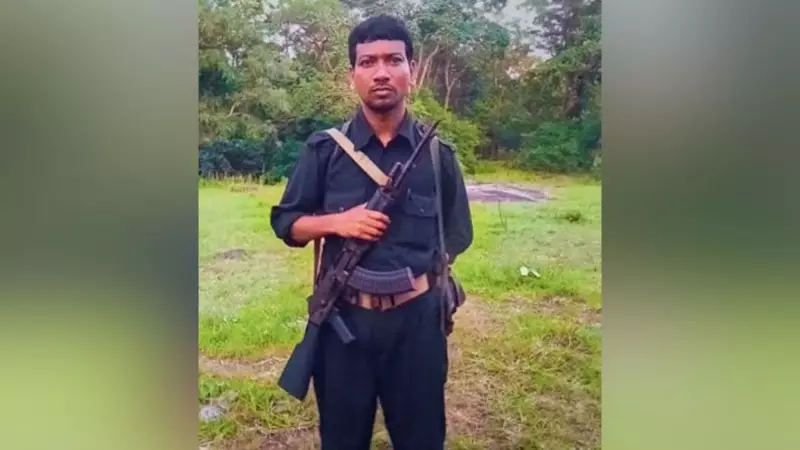
In a significant breakthrough for India's security forces, top Maoist commander Madvi Hidma was killed during an encounter with police in Andhra Pradesh on Tuesday. The operation, conducted by the anti-Naxal Greyhounds of Telangana Police, took place in the Maredumilli forest of Alluri Sitarama Raju district, marking the elimination of one of India's most-wanted insurgents.
The death of Hidma, who had masterminded numerous attacks against security forces over two decades, represents a major victory in the ongoing battle against Left-Wing Extremism. Security experts believe this development could signal the beginning of the end for the Maoist movement that has plagued several Indian states for generations.
The Rise and Fall of a Maoist Leader
Born in 1981 in Puvarti village, Sukma, Madvi Hidma rose through the Maoist ranks to become one of their most feared and effective commanders. His strategic planning capabilities and leadership skills earned him the trust of the Maoist rank-and-file, eventually catapulting him to command the People's Liberation Guerrilla Army.

Hidma's reign of terror was particularly felt in the Bastar division, where he led multiple devastating attacks on security forces. His sophisticated intelligence network enabled him to repeatedly evade capture while inflicting heavy casualties on government forces.
The turning point came in 2024 when security forces successfully penetrated Abhujhmad, considered the Maoist heartland. This operation forced Hidma to abandon his stronghold and seek shelter in the forests of Karregutta hills along the Chhattisgarh-Telangana border.
Cascading Effect: Surrenders and Security Gains
The elimination of Hidma comes amid a wave of surrenders that has significantly weakened the Maoist movement. In mid-October, 258 Maoists including top leaders surrendered at Gadchiroli and Jagdalpur, creating a domino effect that saw many more insurgents laying down their arms.
Multiple security agencies including CRPF Battalions, COBRA, Border Security Force, Indo-Tibetan Border Police, Chhattisgarh police and District Reserve Guards have conducted back-to-back operations that have debilitated Maoist leadership structures.
With the March 31, 2026 deadline set by Home Minister Amit Shah approaching, security forces are optimistic about achieving their goal of substantially reducing Maoist influence. The death of Hidma, considered the last of the top Maoist commanders, leaves the remaining insurgents with limited options: surrender or face elimination in future operations.
Rehabilitation and the Road Ahead
The Chhattisgarh government's Rehabilitation to Rejuvenation programme, initiated by Chief Minister Vishnu Deo Sai, offers surrendered Maoists multiple pathways to mainstream integration. The program includes:
- Employment in government-run cafeterias after training
- Opportunities to join police forces
- Support for starting businesses with skill development programs
For CRPF personnel who have lost numerous colleagues in anti-Maoist operations, particularly in Chhattisgarh, Hidma's death brings a sense of closure and vindication. As one of the most elusive and dangerous Maoist commanders, his elimination represents a watershed moment in India's long-standing battle against Naxalism.
The security establishment now watches to see how the remaining Maoist cadres respond, with expectations that many will choose rehabilitation over continued insurgency in the wake of their leadership vacuum.