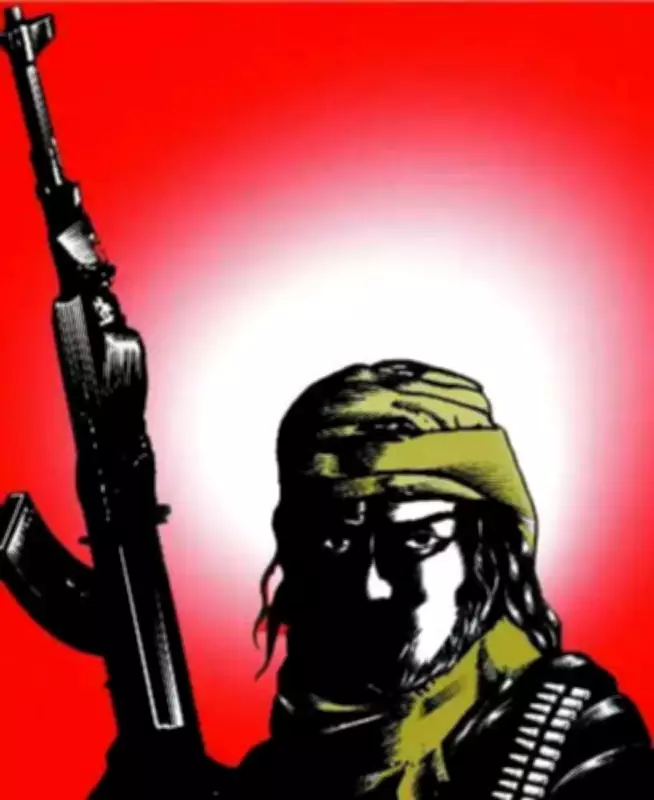
Senior Maoist Commander Mallesh Surrenders with AK-47 in Chhattisgarh's Kanker District
In a major development for counter-insurgency operations in central India, a high-ranking member of the banned Communist Party of India (Maoist) has voluntarily surrendered to authorities in Chhattisgarh's Kanker district. Mallesh, identified as a Divisional Committee Member (DVCM) of the Maoist North Bastar division, along with fellow party member Ranu Podiam, contacted the Kanker police and Border Security Force (BSF) late on Tuesday to formally renounce violence and express their desire to join the mainstream.
Significant Surrender at BSF Camp in Chhote Bethiya
The surrender took place at a BSF camp located in the Chhote Bethiya region, which security officials have described as a significant breakthrough in ongoing efforts to pacify the insurgency-affected Bastar belt. Police sources confirmed that Mallesh, who had been an active participant in the supply network supporting remaining Maoist strength in Kanker district, walked into the camp accompanied by a group of villagers and formally laid down his weapon.
The surrendered arsenal included an AK-47 assault rifle along with additional ammunition, marking a tangible reduction in militant firepower in the region. Security personnel have emphasized the symbolic and practical importance of this weapon surrender, particularly given Mallesh's elevated position within the Maoist organizational structure.
Formal Process and Government Rehabilitation Policy
Kanker Superintendent of Police Nikhil Rakhecha outlined the next steps following the initial surrender. "The formal surrender process, which includes comprehensive social reintegration procedures, thorough verification protocols, and the official handing over of weapons, will be conducted after all necessary documentation and procedural requirements have been completed," Rakhecha stated.
Inspector General of Police (Bastar Range) Sundarraj P reiterated the government's appeal to remaining Maoist cadres to abandon violence and return to society. He emphasized that those who choose a peaceful and dignified life will receive full assistance under the state's surrender-and-rehabilitation package, which includes financial support, vocational training, and social integration measures.
Community-Driven Outreach and Broader Impact
Local sources revealed that this surrender resulted from a coordinated effort involving multiple stakeholders. Local social workers, along with two journalists active in the area, played a crucial role in persuading the Maoist cadre to surrender, creating what officials are calling a successful example of "community-driven outreach" that complements traditional security operations.
Based on intelligence inputs shared by Mallesh and Podiam, security forces are now actively working to reach out to other active Maoist cadres in the region and persuade them to come overground. This intelligence-led approach represents a strategic shift in counter-insurgency tactics in the area.
Surrender Trends and Statistical Context
Officials pointed to the government's comprehensive surrender policy as a key factor driving what they describe as a steady stream of surrenders across the region. According to official claims, over 2,400 Maoist cadres have joined the mainstream in the past 24 months alone, indicating a significant trend toward demobilization in areas historically affected by Left Wing Extremism.
Police authorities have confirmed that further verification processes are currently underway regarding this specific surrender case. Additional details, including complete documentation of surrendered weapons and clarification of entitlements under the rehabilitation scheme, will be made public once the formal surrender process concludes.