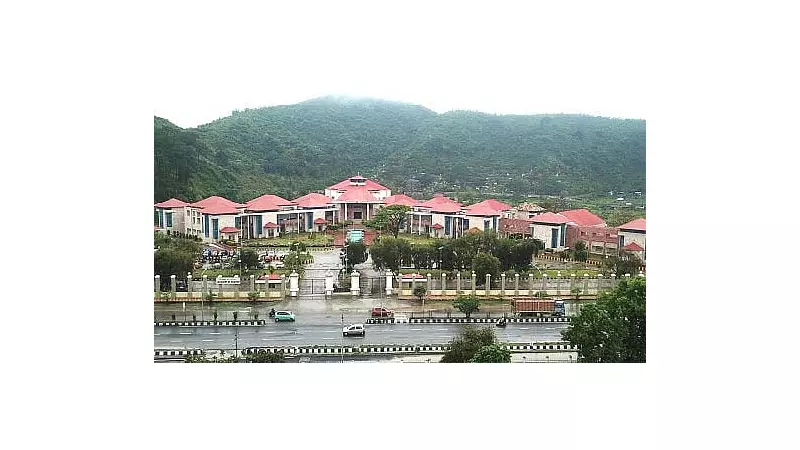
The Manipur High Court has taken a proactive stance by seeking a detailed progress report on the blocking of a disturbing video that surfaced on January 21, allegedly showing a man being shot dead by suspected militants in Churachandpur district. This judicial intervention underscores the court's commitment to addressing the dissemination of sensitive content that could incite violence or disrupt public order in the region.
Court's Directive on Video Blocking
In a significant move, the Manipur High Court has directed authorities to provide an update on the steps taken to block the video, which has garnered widespread attention due to its graphic nature. The video purportedly captures a harrowing incident where the victim is seen pleading for his life before being fatally shot, raising serious concerns about law and order in Churachandpur. The court's demand for a progress report highlights the urgency of containing such content to prevent further unrest and ensure justice for the victim.
Details of the Churachandpur Incident
The video in question emerged on January 21, 2026, and has since sparked outrage and calls for action. It allegedly depicts a man being executed by suspected militants, with eyewitness accounts suggesting the victim made desperate pleas for mercy. Churachandpur district, known for its complex socio-political landscape, has been a focal point of such incidents, prompting heightened scrutiny from judicial and law enforcement agencies. The Manipur High Court's involvement aims to expedite the blocking process and assess the effectiveness of current measures in curbing the spread of violent imagery online.
Implications for Digital Governance and Security
This case brings to the forefront critical issues related to digital governance and cybersecurity in India. The blocking of the video is not just about removing content but also about upholding ethical standards and preventing the glorification of violence. Authorities are under pressure to balance freedom of expression with the need to protect public safety, especially in sensitive regions like Manipur. The progress report sought by the High Court will likely evaluate technical, legal, and administrative aspects of content moderation, setting a precedent for future cases involving similar distressing materials.
As the investigation unfolds, stakeholders await the findings of the progress report, which could influence broader policies on online content regulation in India. The Manipur High Court's action serves as a reminder of the judiciary's role in safeguarding digital spaces and ensuring accountability in the face of emerging threats.