"We Lost Our Family... Have We Committed a Crime?": 28 Years of Waiting for Justice
On December 26, 1996, a dream turned into a nightmare in the Mediterranean Sea. Around 565 people from India, Pakistan, Sri Lanka, and Bangladesh boarded a boat called The Yiohan, hoping to reach Italy for better opportunities. Their journey took a tragic turn when they were forced to transfer to a smaller vessel. Approximately 1,000 kilometers from their destination, near the shores of Malta, the boat capsized. The disaster claimed 290 lives, including 170 Indians, most of them from Punjab.
A Legal Maze with No Exit
While an Italian court sentenced two travel agents to 30 years in prison back in 2008, justice in India remains elusive. The Central Bureau of Investigation registered a case in 1997 against 29 accused persons, including travel agents and two suspended Assistant Commissioners of Police. Today, nearly three decades later, the trial remains stuck at the prosecution evidence stage.
The primary reason for this endless delay is simple yet devastating. Most witnesses have either passed away, become untraceable, or settled abroad. Of the original 206 witnesses, only about 40 have been examined so far. Approximately 70 witnesses are no longer available due to death or relocation.
Families Caught in a Time Warp
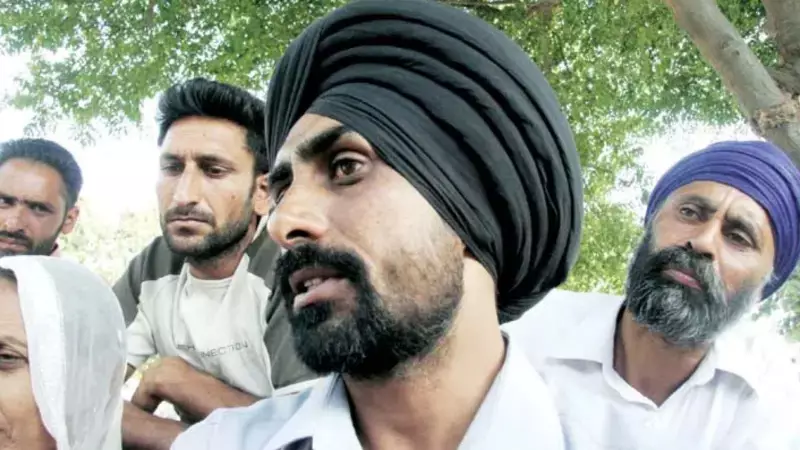
Surjit Singh, now 60 years old, lost his younger brother Sukhdev Singh in the tragedy. He has been traveling from Punjab to Delhi's courts for years. "Earlier, I used to go to Tis Hazari court. I spent four years circling there. Now I circle here," he says with visible exhaustion. "Can anyone keep hoping for justice for 30 years? It's very difficult."
His question echoes through the corridors of justice: "We lost our family now. Tell me... have we committed a crime?"
Satinder, who was just five years old when his elder brother Narinder died on that fateful boat, now attends hearings himself. "I was too young to comprehend anything, but I vividly remember the tears of my family members," he recalls. His father, who used to handle the court visits, suffered a heart attack about a year ago.
"Nowadays, by the time a person turns 30, life feels over. Here, the case itself isn't ending," Satinder adds with resignation. "Our whole world had changed. How much money can a small landowner really have? We went through immense suffering."
The Disappearing Evidence
The case presents a textbook example of justice delayed becoming justice denied. Of the 29 original accused, 15 have died, and their trials have been closed. The primary accused, travel agent Mandhir Kumar, has been declared an absconder.
Court documents reveal the frustrating reality. In an order dated April 3, 2025, Additional Chief Judicial Magistrate Jyoti Maheshwari noted with dismay that precious judicial time was being wasted summoning witnesses who were either not alive or not available. The court directed the CBI to file an updated list of witnesses whose testimony remains relevant.
By November 2025, the judge granted "one last and final opportunity" to the CBI to ensure witness presence. A month later, the court noted that more than 60 witnesses still needed examination.
The Human Cost of Bureaucratic Delays
Families paid enormous sums to travel agents, with some reporting payments up to Rs 3 lakh. Others sold their land and tractors to fund their loved ones' journeys. "We moved heaven and earth," Surjit Singh remembers. "The agents betrayed us."
No compensation came from central or state governments since the victims were engaged in illegal immigration. However, the Punjab government made an ex-gratia payment of Rs 50,000 each to families of 79 victims.
Balwant Singh Khera, a Hoshiarpur resident and social worker, formed a 'Malta Boat Tragedy Probe Mission' to fight for justice. He traveled to Italy multiple times to pursue the case before passing away in 2023.
A Glimmer of Hope?
The next hearing is scheduled for February 21, when an eyewitness of the incident is likely to be examined. About 20 people survived the tragedy, and the CBI has managed to track down some of them.
But for families like Surjit's, hope wears thin. "We have no family, no money left. My parents are dead. We have lost everything," he says. "It took us so much time to heal from the loss."
As the legal proceedings crawl forward, one question remains unanswered: How much longer must these families wait for closure?