Madurai Police Crackdown: Over 1,100 Warrants Cleared in Week-Long Operation
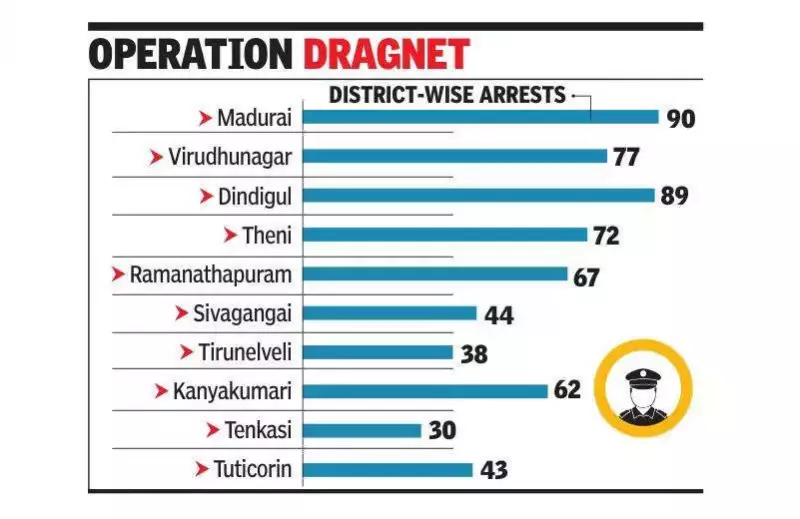
In a significant move to tackle long-pending cases, south zone police in Madurai executed a major operation from January 9 to 16. This intensive drive resulted in the disposal of more than 1,100 non-bailable warrants (NBWs), marking a substantial step in clearing judicial backlogs.
Apprehensions and Voluntary Appearances
Police formations successfully apprehended 612 accused individuals during the operation. Officers produced these people before various judicial authorities for legal proceedings.
Simultaneously, the coordinated pressure of the drive led to another 510 individuals voluntarily appearing before the courts. Upon their appearance, the courts recalled the warrants against them, resolving these cases without force.
Methodology: Traditional and Modern Approaches
The operation began with rigorous cross-verification between police station registers and court records. This step ensured legal accuracy and targeted the right cases.
Specialised teams employed a mix of traditional policing and modern technology to track down evaders. Beat staff conducted local enquiries to pin down current addresses of suspects.
Investigators used scientific techniques and analysed digital footprints to trace long-absconding fugitives. This combination of old and new methods proved highly effective.
Coordination and Impact
Senior officials highlighted the pivotal role of inter-district coordination and real-time information sharing. These factors were crucial in the success of the drive, especially for cases involving grave offences.
By prioritising long-outstanding warrants, the south zone significantly cleared a massive backlog in the judicial process. This effort aims to streamline legal proceedings and ensure timely justice.
Future Plans and Broader Efforts
Authorities confirmed that this move is part of a larger effort to ensure efficacious implementation of the law. They stated that similar special drives will be conducted at regular intervals.
The goal is to ensure that those evading trials are brought to book consistently. This proactive approach seeks to maintain law and order and reduce future backlogs.