Madras High Court Rejects Vaiko's Challenge to LTTE Ban Extension
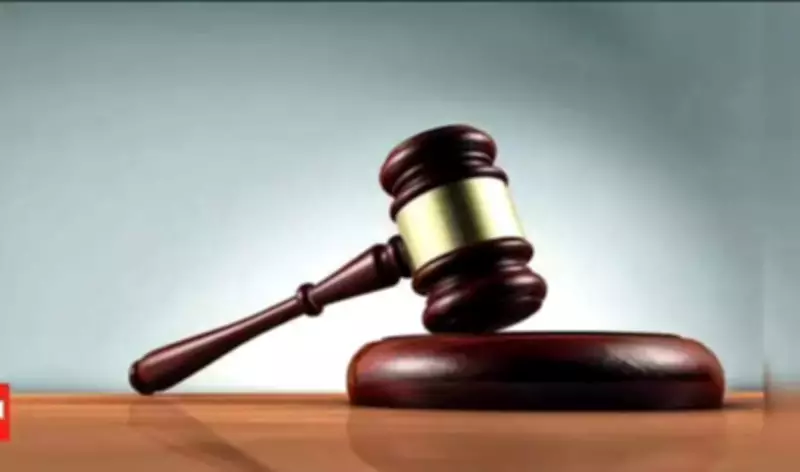
In a significant legal development, the Madras High Court on Tuesday dismissed a petition filed by MDMK leader Vaiko, which contested a 2012 notification issued by the Union government. This notification extended the ban against the Liberation Tigers of Tamil Eelam (LTTE) in India under the provisions of the Unlawful Activities Prevention Act (UAPA). The court's decision reinforces the government's stance on maintaining the prohibition against the organization, which has been in place for decades.
Historical Context of the LTTE Ban
The LTTE was originally banned in India following the assassination of former Prime Minister Rajiv Gandhi in 1991, an event that marked a turning point in the country's security policies. Despite the conclusion of the civil war in Sri Lanka in May 2009, the Indian government has periodically renewed the ban against the LTTE. This ongoing prohibition reflects concerns over the group's activities and its potential impact on regional stability.
Details of Vaiko's Petition and Government's Response
In 2013, Vaiko approached the Madras High Court to challenge the 2012 notification, arguing that the ban should be revoked. He contended that the LTTE was merely advocating for the rights of Tamils in Sri Lanka and did not pose a threat to India's security. However, the Union government strongly opposed his plea, submitting that Vaiko lacked the legal standing, or locus standi, to challenge the ban since he is not a member of the LTTE and was not directly aggrieved by the notification.
Furthermore, the government argued that the petition had no merit because each new notification issued to ban the organization constituted a fresh decision, rather than a mere extension of the previous ban. This legal nuance was a key factor in the court's dismissal of the case.
Implications of the Court's Decision
The dismissal of Vaiko's plea underscores the judiciary's support for the government's authority to enforce bans under the UAPA, especially in matters of national security. It also highlights the complexities involved in legal challenges to such prohibitions, where issues of standing and the nature of governmental notifications play crucial roles. This ruling may set a precedent for similar cases in the future, emphasizing the need for petitioners to demonstrate direct harm or involvement to successfully contest such bans.
As the legal battle concludes, the focus remains on the broader implications for Tamil rights and security policies in the region, with the LTTE ban continuing to be a contentious topic in Indian politics and law.