KTR Undergoes Marathon Interrogation in High-Profile Phone-Tapping Investigation
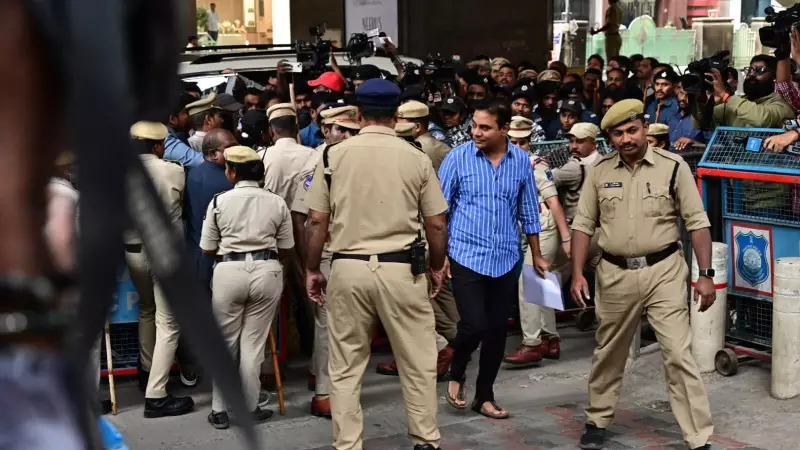
The Special Investigation Team (SIT) of the Telangana Police conducted an exhaustive seven-hour questioning session with Bharat Rashtra Samithi (BRS) working president KT Rama Rao on Friday, January 24, 2026, in connection with the controversial phone-tapping case that has rocked the state. This marks the first time the former minister has been formally interrogated since the investigation commenced in 2024.
Intensive Questioning on Multiple Fronts
According to police sources familiar with the proceedings, the interrogation covered a wide spectrum of issues directly linked to the alleged illegal surveillance operation. KTR, who served as Minister for Panchayat Raj, Municipal Administration and Urban Development, Industries, and Information Technology and Communications from 2014 to 2023, faced detailed queries on several critical matters.
The questioning reportedly focused on:

- Electoral bonds and allegations of extortion involving industrialists
- Land allotments made during the BRS government's tenure
- KTR's travel history and movements
- Social media activities of the BRS party
- Various aspects of his ministerial responsibilities
Conflicting Perspectives on Questioning Relevance
While Telangana Police sources maintained that all questions were directly connected to the phone-tapping case, KTR's office presented a contrasting view. "In KTR's opinion, many of the questions were unconnected with the phone tapping case," his office stated, adding that the SIT failed to adequately explain the relevance of certain queries to the surveillance investigation.
However, Hyderabad Police Commissioner V C Sajjanar's team firmly denied this characterization, asserting that every question posed was based on evidence pertaining to the phone-tapping case. A police press release described the investigation as addressing "allegations of widespread unauthorised and illegal phone surveillance and interception involving thousands of citizens from all walks of life."
Background of the Phone-Tapping Scandal
The case centers on alleged illegal surveillance conducted during the BRS administration, with investigators discovering that at least 600 phone numbers monitored by the Special Intelligence Branch (SIB) had no connection to Left Wing Extremism or CPI (Maoist) activities—the SIB's official mandate since its establishment in 1990.
Instead, these numbers belonged to politicians, bureaucrats, businesspersons, journalists, judiciary members, and even their family members and associates. A chargesheet filed on June 8, 2024, named several key accused including former SIB chief T Prabhakar Rao, Deputy Superintendent of Police D Praneeth Rao, and other police officials along with a television channel owner.
KTR's Response and Investigation Details
During the marathon interrogation, which included scheduled tea and lunch breaks, KTR reportedly answered most questions while categorically denying any involvement in phone tapping or other illegal activities. His office confirmed that he responded to all pertinent questions but maintained reservations about the scope of the interrogation.
A top police source revealed the specific focus on electoral bonds, stating: "Questions were asked about electoral bonds because we have evidence that money was extorted." This suggests investigators are examining potential financial dimensions of the case beyond the surveillance allegations.
Political Significance and Broader Implications
The questioning of KTR—son of former Chief Minister K Chandrashekar Rao—carries substantial political weight in Telangana. As a senior BRS leader and former minister, his interrogation represents a significant development in a case that has implicated numerous high-profile individuals across various sectors.
The investigation continues to unfold as authorities examine the extent of alleged surveillance that reportedly targeted individuals ranging from sitting High Court judges to ordinary citizens during the previous administration's tenure.