Robert Kraft's Super Bowl Ad on Antisemitism Generates Mixed Reactions
A high-profile Super Bowl commercial, funded by Jewish billionaire and New England Patriots owner Robert Kraft, is generating significant attention and unease just days before its scheduled broadcast. The 30-second advertisement, created by Kraft's Blue Square Alliance Against Hate, will air during this weekend's Super Bowl at a reported cost of $15 million. Supporters argue that the spot directly confronts antisemitism in its most casual and everyday forms, aiming to raise public awareness about this pervasive issue.
The Advertisement's Content and Message
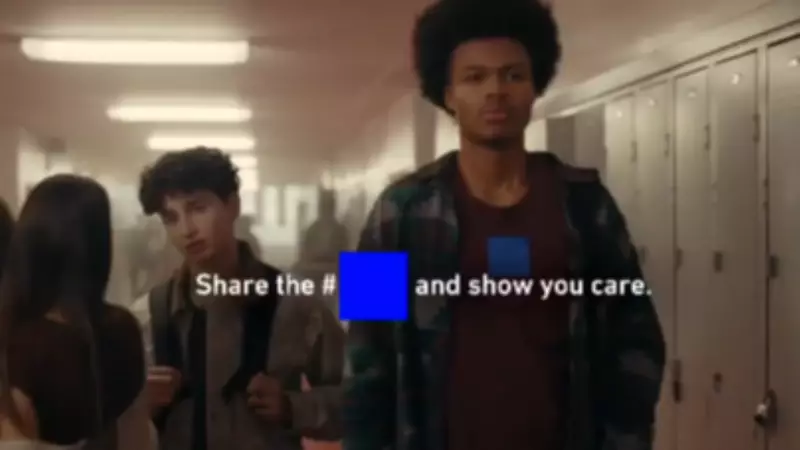
The commercial opens inside a school hallway, where a Jewish teenager named David walks alone between classes. Two classmates deliberately body-check him and discreetly attach a note to his backpack. When David reaches his locker, the message is revealed: "Dirty Jews." The moment is intentionally quiet, with no confrontation or escalation, highlighting the social isolation that often follows such incidents.
Another student named Bilal intervenes by removing the offensive note and replacing it with a blue square, the symbol of Kraft's anti-hate initiative. As the two walk away together, David appears ready to confront the boys who targeted him, but Bilal stops him, saying, "No, they're not worth it, bro." The advertisement concludes with a sobering statistic displayed on screen: two in three Jewish people have experienced antisemitism.
Background of the Blue Square Alliance Against Hate
The spot was produced by the Blue Square Alliance Against Hate, an organization Kraft launched last year that focuses on public awareness campaigns against hatred. Its central call to action encourages individuals to post a blue square on social media platforms to signal opposition to antisemitism and other forms of discrimination. This year's Super Bowl appearance marks the third consecutive time Kraft's group has purchased airtime during the game, demonstrating a sustained commitment to this cause.
Kraft's Statements on Social Media and Hate
Speaking on Squawk Box, Kraft emphasized that the new advertisement aims to address what he described as the role of social media in spreading falsehoods and normalizing hate, particularly among younger audiences. "What we see going on in our data center is young people falling into this trap and hate," Kraft stated. He added that data drawn from more than 500 million websites worldwide suggests 60% of Americans do not believe antisemitism is as serious as it actually is.
According to Kraft, exposure to the organization's advertisements has shifted attitudes, with 30% of viewers reporting they are willing to stand up and take action after seeing them. This data underscores the potential impact of such awareness campaigns in changing public perceptions and behaviors.
Online Criticism and Controversial Reception
Despite the intentions behind the advertisement, it has clearly not landed well with all audiences. The reception online has been marked by significant criticism and debate. One user commented, "Nothing says we don't control the media like a Super Bowl ad saying we are the victim." Another added, "Using a black kid to dilute racism black people experience in order to victimize the image of Zionists by purposely equating the anti-Zionist movement as antisemitism is disgusting. And using the black image to push this nonsense during Black History Month is even more repulsive."
A third critic wrote, "One of the most stunning developments of the past few years is how shockingly terrible Jews have become at propaganda and PR." These reactions highlight the complex and often contentious nature of discussing antisemitism, Zionism, and racial issues in public forums, especially during sensitive periods like Black History Month.
Broader Implications and Ongoing Discussions
The controversy surrounding Kraft's Super Bowl advertisement reflects broader societal debates about hate speech, media representation, and the intersection of different forms of discrimination. As antisemitism continues to be a pressing issue globally, initiatives like the Blue Square Alliance Against Hate seek to foster dialogue and action. However, the mixed reactions to this commercial demonstrate the challenges in crafting messages that resonate universally without sparking unintended divisions.
Moving forward, the effectiveness of such awareness campaigns will likely depend on their ability to engage diverse perspectives while maintaining a clear focus on combating hatred in all its forms. The Super Bowl, with its massive audience, provides a unique platform for these discussions, but as this case shows, it also amplifies both support and criticism in equal measure.