Kochi Night Auto Crackdown: 174 Rickshaws Penalized in MVD Drive
In a decisive move to curb traffic violations and enhance passenger safety, the Motor Vehicles Department's (MVD) enforcement division launched a rigorous night inspection targeting autorickshaws in Kochi. The operation, conducted on Thursday night, resulted in action against 174 autos for various infractions, underscoring the authorities' commitment to enforcing road regulations.
District Collector's Directive Spurs Action
The inspection was initiated on special instructions from District Collector G Priyanka, following a surge in passenger complaints regarding autorickshaw services. Led by Ernakulam Regional Transport Officer (RTO) Biju Isaac, the drive was organized into six squads to maximize coverage and efficiency across key locations in the city.
Widespread Checking Across Kochi
Officials conducted checks at multiple high-traffic areas, including:
- MG Road
- Vyttila
- Ernakulam Town and Junction railway stations
- High Court Junction
- Kaloor-Kathrikadavu Road
- Stadium Link Road
During the operation, a total of 365 autorickshaws were stopped and scrutinized, with e-challans issued and fines imposed for 174 violations. This comprehensive approach highlights the scale of the issue and the MVD's proactive stance.
Key Violations Uncovered
The inspection revealed a range of serious violations, including:
- 72 autorickshaws operating without functional fare meters, a critical issue affecting fare transparency.
- 20 autorickshaws with permits from Kottayam, Idukki, and Alappuzha were caught operating illegally in Kochi, indicating unauthorized inter-district services.
- 15 vehicles deemed unfit for operation, raising safety concerns.
- 10 autos with unpaid taxes, highlighting compliance gaps.
- 1 vehicle lacking a valid insurance certificate, compromising passenger liability coverage.
- 12 autorickshaws operating with expired permits, further emphasizing regulatory lapses.
Additionally, strict action was taken against 7 auto drivers found driving without a valid license, while 15 autorickshaws without number plates and 10 with excessively bright lights were seized. These measures aim to deter reckless behavior and ensure road safety.
Focus on Women-Friendly Services
Officials emphasized the need to foster a women-friendly autorickshaw culture in Kochi, making drivers aware of this priority. The district collector instructed that services should be conducted safely and in a manner friendly to women, in accordance with the law. This initiative aligns with broader efforts to enhance public transport security and inclusivity.
Part of Road Safety Month Activities
The inspection was conducted as part of Road Safety Month activities, reflecting a concerted push to improve traffic discipline. RTO Biju Isaac stated that night inspections would continue to be stringent in the coming days, signaling ongoing vigilance against violations.
RTO Highlights Passenger Risks
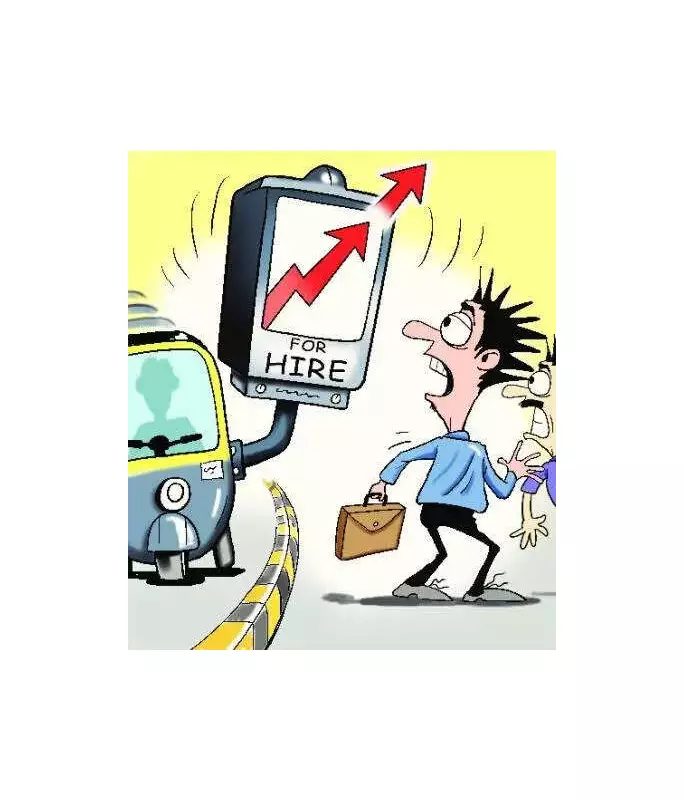
RTO Biju Isaac pointed out that drivers from other districts often arrive in Kochi by train at night, rent autos for approximately Rs 300 per night, and then overcharge passengers. He advised passengers arriving by trains or buses at night to use prepaid facilities and wait at prepaid counters for autorickshaws, rather than opting for services outside. This not only ensures fair pricing but also mitigates security risks, as autos operating informally may not provide receipts with vehicle details.
Autorickshaw Unions Acknowledge Issues
Meanwhile, autorickshaw unions admitted that a section of drivers fleece money from passengers. M B Symanthabhadran, state president of the CITU-affiliated Kerala Auto Taxi Workers' Federation, urged passengers to file complaints with the MVD if charged exorbitant fares or if drivers refuse to operate fare meters. This collaborative approach between authorities and unions could help address systemic problems in the sector.
The night inspection in Kochi serves as a stark reminder of the challenges in regulating autorickshaw services, while also showcasing the MVD's determination to uphold traffic laws and protect commuters. With continued efforts, such drives may pave the way for safer and more reliable public transport in the city.