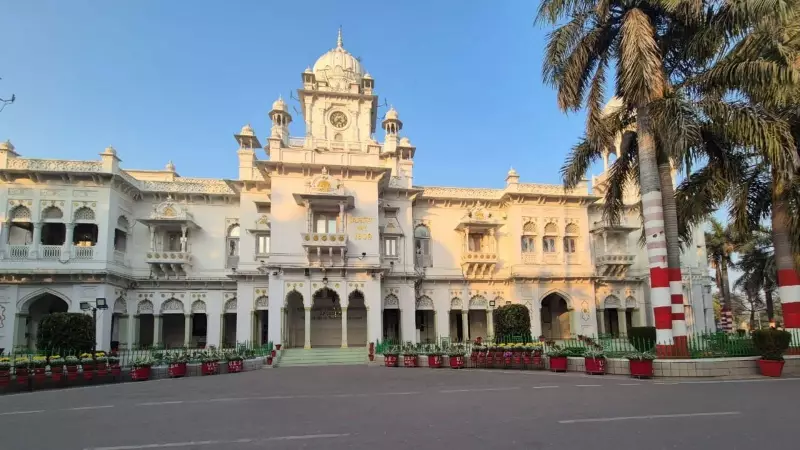
KGMU Administration Directs Removal of Five Mazars in Campus Clearance Drive
In a move that has ignited significant controversy, the administration of King George's Medical University (KGMU) in Lucknow has issued notices for the removal of five mazars (shrines) located on its campus. The university has directed that these structures be dismantled within 15 days as part of an ongoing initiative to clear what it terms "unauthorised construction." This development comes amid a backdrop of recent tensions, including the arrest of a KGMU doctor on allegations of religious conversion and claims of a "love jihad" network operating from the campus.
University Cites Illegal Encroachment and Disruption
The KGMU administration asserts that the mazars were constructed without valid permission or official approval on public land that has been illegally encroached upon, rendering their presence unlawful. According to university officials, these shrines have led to frequent and unnecessary gatherings within the premises, which obstruct free movement and disturb the peaceful academic and medical environment essential for a healthcare institution.
Officials further elaborated that such gatherings have negatively impacted sanitation and security arrangements, raising serious safety concerns for patients, women employees, resident doctors, and students. The administration maintains that any religious, commercial, or unauthorised construction inside the university campus constitutes an illegal encroachment on public property, and all actions are being carried out in strict accordance with guidelines and directions issued by the Supreme Court.
Muslim Leaders and Shrine Managers Protest, Claim Historical Existence
In response to the notices, Muslim leaders and shrine management committees have strongly protested the move, demanding that the directives be withdrawn. General Secretary of the All India Shia Personal Law Board, Maulana Yasoob Abbas, rejected the allegation that the mazars disrupt arrangements or block ambulance routes. He argued that traffic jams in the district are due to poor management, not the shrines, and termed the notices as unjustified and wrongly issued.
Mohammad Shakeel, who claims to manage one of the mazars, stated that the shrine existed long before KGMU was established, alleging that the university administration is raising unnecessary issues. He suggested that the university should first address illegal shops operating on campus rather than targeting mazars, where people come solely for prayers and peace.
Prominent Sunni cleric and member of the All India Muslim Personal Law Board, Maulana Khalid Rasheed Firangi Mahali, emphasized that the mazars have been in existence since before Independence. He called the notices unjustified and urged the KGMU administration to hold discussions with concerned parties to resolve the issue amicably, noting that people from all communities visit these shrines.
University's Stance and Future Actions
KGMU spokesperson Professor K K Singh, who also serves as the nodal officer for land acquisition, explained that the university is not aware of the management or custodians of these mazars, leading to notices being pasted on the shrine walls. He revealed that out of eight mazars on campus, three have been removed over the past one-and-a-half years. The five currently issued notices are located behind Building No. 2 of the Department of Microbiology, near the Trauma Centre, the new orthopaedic building, and the Respiratory department.
Singh warned that if the directions are not complied with within the stipulated 15-day period, the university will decide on the next course of action, which may include forcible removal and further legal and administrative measures. The administration's firm stance highlights its commitment to clearing encroachments, but the outcry from religious leaders underscores the deep-seated tensions and historical claims surrounding these sacred sites.