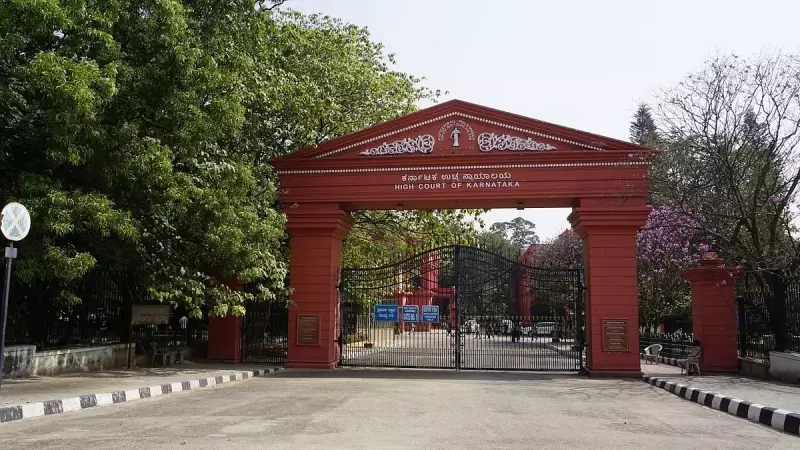
Karnataka High Court Intervenes in Roerich Estate Tourism Project
The Karnataka High Court has issued a significant directive to both the state and central governments. The court wants them to ensure that no ground activities proceed for a proposed tourism project at the Roerich and Devika Rani Roerich estate. This estate is located on Kanakapura road in Karnataka.
Petitioner Challenges Project Approval
A petitioner recently approached the High Court to challenge the approval granted for this project. The project aims to develop an Eco Tourism and Cultural hub at the historic Roerich Estate. The petitioner raised concerns about the potential impact of such development on the estate's heritage and environment.
The court's directive comes as a response to this legal challenge. It effectively puts a temporary halt to any physical work on the site. Authorities must now comply with the court's order and prevent any construction or other activities from starting.

Details of the Proposed Project
The project in question is designed as an Eco Tourism and Cultural hub. It plans to utilize the Roerich Estate, which holds cultural and historical significance. The estate is associated with the famous Russian painter Nicholas Roerich and his wife, the actress Devika Rani.
Proponents of the project argue it could boost local tourism and create economic opportunities. However, opponents fear it might damage the estate's unique character and natural surroundings. The High Court's intervention reflects the need to balance development with preservation.
Court's Directive to Governments
In its ruling, the Karnataka High Court specifically directed the state government of Karnataka and the central government. The court instructed them to take necessary steps to ensure no activities occur on the ground. This means both levels of government must monitor the situation closely and enforce the order.
The directive aims to maintain the status quo until further legal proceedings can address the petitioner's concerns. It underscores the court's role in safeguarding heritage sites from potentially harmful development.
Implications for Tourism and Heritage
This case highlights the ongoing tension between tourism development and heritage conservation in India. The Roerich Estate is not just a piece of land; it represents a rich cultural legacy that many want to protect.
By stepping in, the High Court emphasizes the importance of legal oversight in such matters. The decision could set a precedent for similar disputes across the country, where tourism projects threaten historical sites.
For now, all eyes are on how the state and central governments will implement the court's directive. Stakeholders await further hearings to determine the project's ultimate fate.