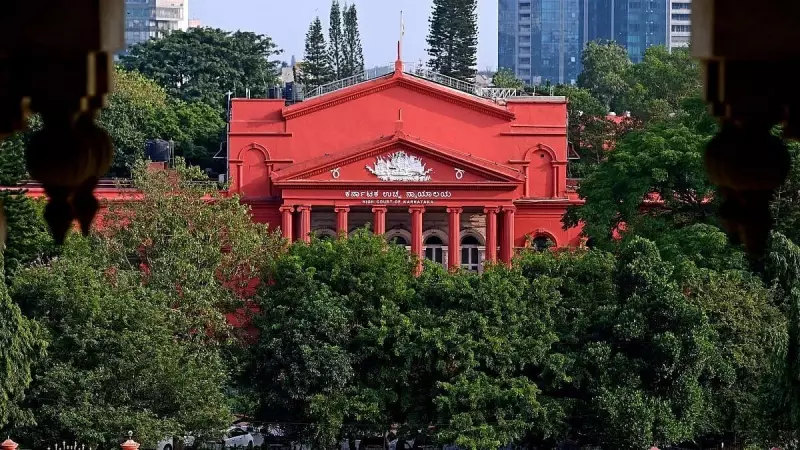
In a significant legal development, the Karnataka High Court has struck down prohibitory orders issued against Adrushya Kadeshwara Swamiji, delivering a strong judgment that questions the state government's use of power.
Court Delivers Justice in Prohibitory Order Case
The High Court bench quashed the controversial orders that had been imposed on the spiritual leader, accepting the arguments presented by Swamiji's legal team. The judgment was delivered after thorough consideration of the petition challenging what was described as an arbitrary exercise of state power.
The legal battle centered around the state's use of BNSS section 163, which grants authorities the power to issue prohibitory orders. Swamiji's counsel successfully argued that this power was exercised with mala fide intention and extraneous considerations, making the order legally untenable.
Legal Arguments That Prevailed
One of the key points that swayed the court was the complete absence of due process in the case. The Swamiji's legal team emphasized that no notice was provided to their client regarding the basis on which the prohibitory order would be passed, violating fundamental principles of natural justice.
The court noted that the state authorities failed to follow proper procedure while invoking BNSS section 163. The provision, meant to be used in specific circumstances with proper justification, was apparently deployed without adequate grounds or transparency.
The timing of the court's decision - November 25, 2025 - marks an important moment for religious freedom and legal accountability in Karnataka. The judgment was announced at 16:07 IST, according to court records.
Broader Implications of the Judgment
This ruling sets an important precedent for how state authorities can exercise their powers under the BNSS framework. Legal experts suggest that the judgment will make government agencies more cautious about using prohibitory powers without solid justification and proper procedure.
The court's strong stance against what it perceived as arbitrary state action sends a clear message about the importance of protecting individual rights against potential misuse of administrative power. The decision reinforces that legal procedures must be followed scrupulously, even when dealing with preventive measures.
As the news spreads through Karnataka's spiritual and legal communities, many are viewing this as a victory for due process and religious freedom. The judgment demonstrates the judiciary's role in checking executive overreach and ensuring that power is exercised responsibly.