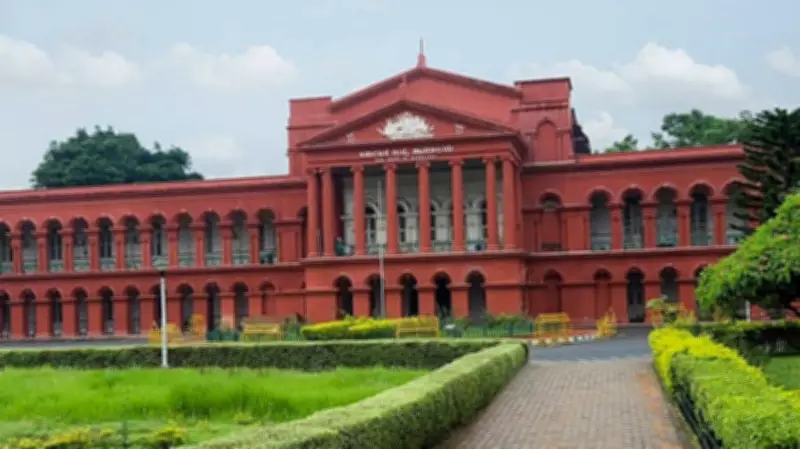
Karnataka High Court Grants Bail in 'Jai Bangla' Slogan Controversy
The Karnataka High Court has made a significant ruling by granting bail to a woman who was arrested for raising the slogan 'Jai Bangla'. This case has drawn widespread attention due to its implications for freedom of expression and legal interpretations of national sentiment.
Details of the Court's Decision
In a hearing held recently, the court reviewed the arguments presented by both the defense and the prosecution. The state government, representing the prosecution, contended that the petitioner, as an Indian citizen, had allegedly hurt the sentiments of Indians by uttering the phrase 'Jai Bangla'. This slogan, which translates to 'Victory to Bengal', was argued to be divisive or offensive in the context presented by the authorities.
Despite these submissions, the High Court decided to grant bail to the woman, emphasizing the need for a balanced approach in such cases. The ruling underscores the judiciary's role in protecting individual rights while considering public order concerns.

Legal and Social Implications
This case raises important questions about the limits of free speech in India. Legal experts point out that while the state has a duty to maintain harmony, arrests based on slogans must be carefully scrutinized to prevent misuse of power. The court's decision to grant bail suggests a cautious stance, pending further investigation or trial.
Key aspects of the case include:
- The state's argument that the slogan hurt national sentiments, leading to the arrest.
- The defense's position likely highlighting freedom of expression under constitutional provisions.
- The court's rationale for bail, which may involve considerations of evidence, intent, and potential for flight risk.
Public reaction has been mixed, with some supporting the state's actions to curb provocative speech, while others advocate for greater tolerance and legal protection of dissent. This incident adds to ongoing debates about nationalism, identity, and the law in contemporary India.
Broader Context and Future Proceedings
The case is part of a larger pattern where slogans and expressions are increasingly coming under legal scrutiny across the country. Authorities often cite public order or sentiment as grounds for action, but courts play a crucial role in ensuring such measures are proportionate and justified.
As the woman is now out on bail, the legal proceedings will continue, with potential for further hearings to determine the merits of the charges. Observers will be watching closely to see how this case influences future interpretations of similar incidents.
In summary, the Karnataka High Court's bail grant marks a pivotal moment in this legal saga, balancing state interests with individual freedoms. It serves as a reminder of the complex interplay between law, society, and expression in India's democratic framework.