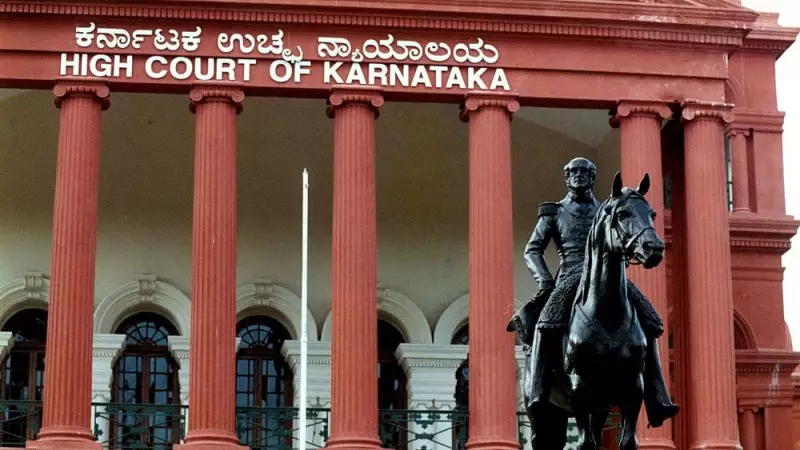
The Karnataka High Court has delivered a significant ruling by denying relief to Congress leader BV Rajeev Gowda in connection with an FIR filed against him for allegedly abusing an official. This decision marks a pivotal moment in the legal proceedings surrounding the case, which has garnered considerable attention in political circles.
Court's Firm Stance on Investigation
Justice M Nagaprasanna, while rejecting the petitions submitted by Rajeev Gowda, articulated a clear judicial perspective. The judge stated, "At the very least, the language employed deserves investigation, as it is settled principle of law that an FIR is not an encyclopedia of offences." This remark underscores the court's insistence on thorough scrutiny of the allegations, emphasizing that the First Information Report serves as a starting point for legal inquiry rather than a comprehensive document detailing all aspects of the case.
Background of the Legal Battle
The FIR in question was registered against Rajeev Gowda following complaints of abusive language directed at an official. As a prominent Congress figure, Gowda sought judicial intervention to quash or mitigate the charges, arguing procedural or substantive grounds. However, the High Court's rejection indicates a judicial preference for allowing the investigative process to proceed unimpeded, reflecting a broader commitment to upholding the rule of law in such matters.
Implications for Political and Legal Spheres
This ruling is poised to have far-reaching implications. Politically, it may influence how public figures engage with officials and the legal consequences of such interactions. From a legal standpoint, the decision reinforces the principle that FIRs are subject to judicial review but not dismissal without due investigation. The court's emphasis on the language used highlights the importance of conduct and communication in public life, setting a precedent for future cases involving similar allegations.
As the case progresses, stakeholders will closely monitor developments, with potential appeals or further legal actions on the horizon. The Karnataka High Court's stance serves as a reminder of the judiciary's role in balancing individual rights with the need for accountability in public discourse.