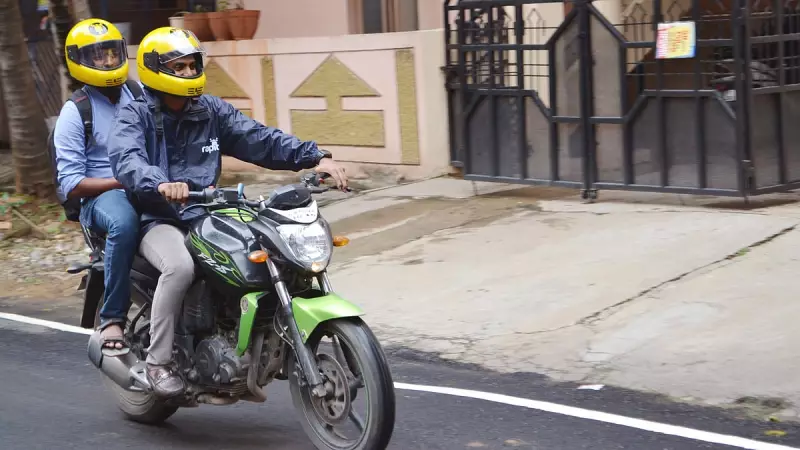
Karnataka High Court Clears Path for Bike Taxis, Mandates Permit Issuance
In a landmark decision, the Karnataka High Court has given the green light for bike taxis to operate across the state, issuing a directive to the government to facilitate the issuance of necessary permits. This ruling marks a significant development in the state's transportation landscape, potentially easing urban mobility and creating new economic opportunities.
Court's Directive on Registration and Permits
The division bench of the High Court emphasized that while transport authorities retain the right to scrutinize relevant aspects of vehicle registration and permit issuance, they cannot deny these on the grounds that motorcycles are unsuitable as transport or contract carriage vehicles. This clarification removes a key legal hurdle that had previously stalled the formal operation of bike taxi services in Karnataka.
The court's decision underscores that regulatory bodies must not arbitrarily block registration and permits based on vehicle type alone. Instead, they are expected to conduct thorough examinations to ensure compliance with safety and operational standards, without prejudicing against two-wheelers as legitimate transport options.
Implications for Transport and Economy
This ruling is poised to have far-reaching effects on Karnataka's transport sector. By allowing bike taxis to operate legally, the state could see:
- Enhanced urban mobility, particularly in congested cities like Bengaluru, where bike taxis can offer faster and more flexible travel alternatives.
- Job creation for riders, boosting the gig economy and providing income opportunities in the transportation industry.
- Regulatory clarity for operators, who can now seek permits without fear of rejection based on vehicle classification issues.
Transport experts suggest that this move aligns with global trends where bike taxis have become integral to public transit systems, offering cost-effective and efficient solutions for short-distance travel.
Next Steps for Authorities and Operators
Following the High Court's directive, the Karnataka government is expected to draft and implement guidelines for bike taxi permits. Transport authorities will need to establish criteria for vehicle fitness, driver qualifications, and insurance requirements to ensure passenger safety.
Operators, on their part, must prepare to comply with these regulations, which may include upgrading motorcycles to meet safety standards and training riders. The court's ruling does not preclude authorities from imposing reasonable conditions, but it mandates that such conditions should not discriminate against two-wheelers as transport vehicles.
This development comes amid growing demand for affordable and accessible transport options in Karnataka, highlighting the need for innovative solutions to address urban congestion and connectivity challenges.