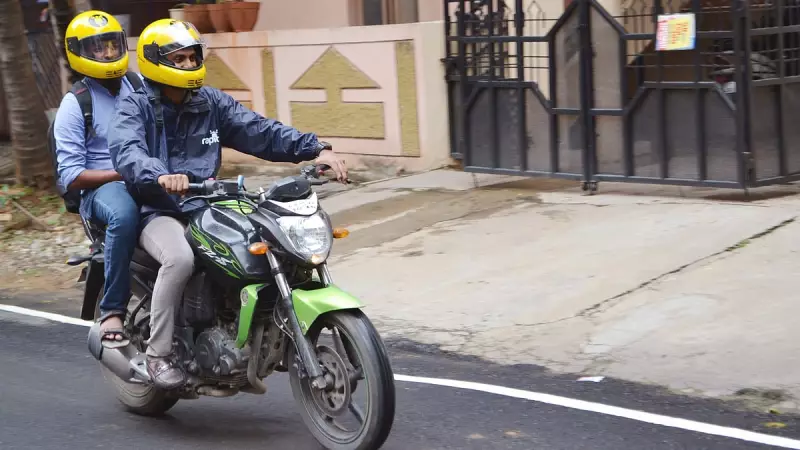
Karnataka High Court Lifts Bike Taxi Ban, Sparking Mixed Reactions Across Transport Sector
The Karnataka High Court has issued a significant order lifting the ban on bike taxi services in the state, a decision that has generated contrasting responses from various stakeholders in the transportation industry. This development comes after prolonged legal debates and regulatory uncertainties surrounding the operation of two-wheeler taxis in urban and rural areas of Karnataka.
Ride-Hailing Companies Welcome Judicial Intervention
Major ride-hailing platforms, including Rapido and Uber, have expressed their approval and welcomed the High Court's directive. These companies view the lifting of the ban as a positive step toward enhancing urban mobility and providing affordable transportation options for commuters. Industry representatives argue that bike taxis play a crucial role in reducing traffic congestion and offering last-mile connectivity, especially in densely populated cities like Bengaluru.
The court's order is expected to allow these firms to resume and potentially expand their bike taxi operations, which had been hampered by regulatory restrictions. This move could lead to increased employment opportunities for drivers and improved service availability for customers across Karnataka.
Private Transport Associations Raise Concerns Over Regulatory Gaps
In contrast, the Federation of Karnataka State Private Transport Associations has adopted a more cautious stance, raising important questions about the implementation of the High Court's decision. The federation's primary concern revolves around whether personal two-wheelers can be legally permitted to operate as commercial bike taxis without a clear and comprehensive policy framework from the state transport department.
Representatives from the association emphasize the need for detailed guidelines to ensure safety standards, fare regulations, insurance requirements, and licensing procedures are properly established. They argue that allowing personal vehicles to function as taxis without stringent oversight could lead to operational challenges and potential risks for both drivers and passengers.
Awaiting Clarity from State Transport Authorities
The current situation highlights a critical gap between judicial directives and administrative policy-making. While the High Court's order provides a legal basis for resuming bike taxi services, the absence of a formalized policy from the Karnataka transport department creates uncertainty for all parties involved.
Stakeholders are now looking toward state authorities to devise and implement a structured policy that addresses key aspects such as:
- Vehicle eligibility criteria and safety inspections
- Driver licensing and background verification processes
- Fare calculation mechanisms and pricing regulations
- Insurance coverage requirements for commercial operations
- Grievance redressal systems for customers and drivers
This policy development phase will be crucial in determining how smoothly bike taxi services can be integrated into Karnataka's broader transportation ecosystem.
Broader Implications for Urban Mobility in Karnataka
The lifting of the bike taxi ban represents more than just a regulatory change—it reflects evolving attitudes toward shared mobility solutions in Indian cities. As Karnataka continues to grapple with urbanization challenges, including traffic congestion and pollution, alternative transportation modes like bike taxis could contribute to more sustainable urban planning.
The mixed reactions to the High Court's order underscore the complex balance between innovation in the transport sector and the need for responsible regulation. The coming weeks and months will likely see continued dialogue between ride-hailing companies, transport associations, and government authorities as they work toward a mutually acceptable framework for bike taxi operations in Karnataka.
For now, the focus remains on how quickly the transport department can provide the clarity that all stakeholders are seeking, ensuring that the benefits of bike taxi services can be realized while addressing legitimate concerns about safety and regulation.