Japanese policymakers have approved a proposal to reduce the power of prosecutors to obstruct the exoneration of potential victims of wrongful convictions, following widespread criticism of the country's retrial system. Known as the "unopenable door," Japan's retrial process, established a century ago, is often so time-consuming that decades can pass before a person is granted a chance for a legal do-over.
Case of Iwao Hakamada highlights flaws
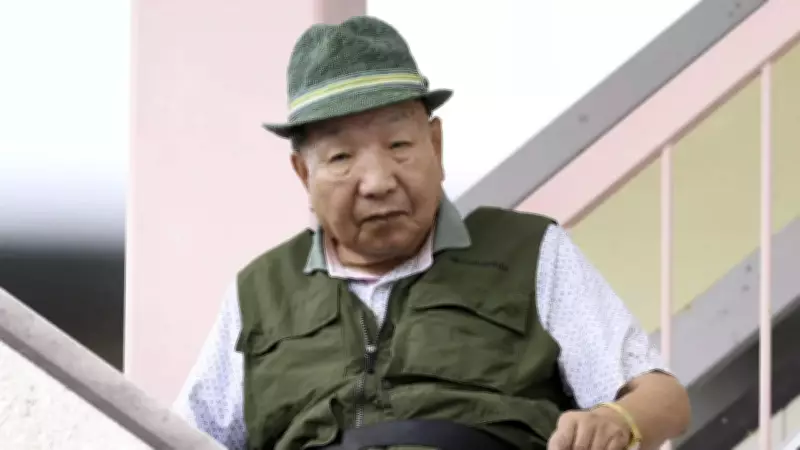
A notable example is 90-year-old Iwao Hakamada, formerly the world's longest-serving death-row prisoner, whose case took over 40 years to be reopened. His retrial for a quadruple murder led to his conviction being quashed in 2024, but after decades in solitary confinement, the ex-boxer now lives in "a world of fantasy," according to his supporters. Hakamada's ordeal has reignited scrutiny of Japan's arduous retrial process, pressuring the justice ministry to commit to reform.
LDP approves reform plan
On Wednesday, ruling Liberal Democratic Party (LDP) lawmakers approved the ministry's reform plan, which includes limiting prosecutorial appeals against court decisions to retry those who may have been wrongfully incarcerated. However, while the plan generally prohibits prosecutors from challenging retrial orders, it still allows appeals if "sufficient grounds" exist. This has upset the LDP, which had spent weeks pushing for prosecutors to be stripped entirely of their appeal power.

LDP lawmaker Masahiko Shibayama described the compromise as "gut-wrenching" for the party but acknowledged it was better than no progress, calling it "half a step forward." The justice ministry, which oversees the Public Prosecutor's Office, will now send the proposal to the Cabinet of Prime Minister Sanae Takaichi, reportedly as early as Friday, before it is submitted to parliament as a bill for deliberation.
Impact of prosecutorial appeals
Prosecutorial appeals are not the only factor behind slow retrials, but they play a significant role. In Hakamada's case, a court's original retrial order took nine years to be executed due to repeated pushbacks by prosecutors. Hiroaki Murayama, a former district court judge who issued that landmark retrial order in 2014, told AFP that he partly blames himself for failing to write a "more airtight ruling." He also noted that judges can slow down the process, sometimes sitting on retrial applications for years, generally viewing them as lower priority than ongoing criminal cases.