Indian Sailor Killed in Dual Tanker Attacks Near Iraqi Port
A tragic maritime incident has unfolded in Iraqi waters, resulting in the death of an Indian crew member and raising serious security concerns in the strategically vital Persian Gulf region. The attack occurred on Wednesday near the port city of Basra, targeting two commercial vessels amid escalating regional tensions linked to broader conflicts involving Israel, Iran, and their allies.
Details of the Coordinated Attacks
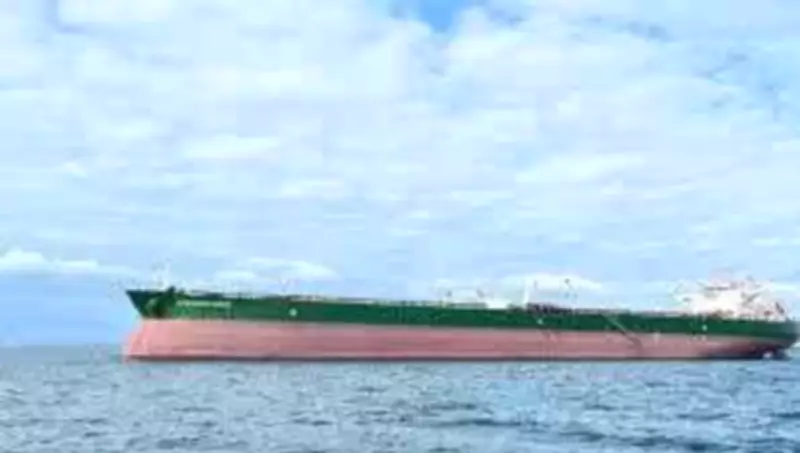
The primary vessel involved was the Safesea Vishnu, a crude oil tanker owned by a United States entity and sailing under the flag of the Marshall Islands. According to official statements from Benetech Shipping SA, the attack took place at Iraq's Umm Qasar anchorage during a routine fuel cargo transfer operation late on Wednesday. The tanker was chartered by an Iraqi company that holds a contract with the State Organisation for Marketing of Oil (SOMO), highlighting its connection to Iraq's national oil infrastructure.
Simultaneously, a second vessel named Zefyros, owned by a Greek entity and flying the Maltese flag, was also attacked. This ship was loaded with condensate products sourced from the Basra Gas Company and was positioned in a designated ship-to-ship loading area within Iraqi territorial waters. The dual assaults suggest a coordinated effort to disrupt maritime operations in this key oil export zone.

Casualties and Rescue Operations
The Indian Embassy in Iraq has confirmed the grim outcome of the attack on the Safesea Vishnu. In a series of posts on social media platform X, the mission stated, "A US-owned crude oil tanker Safesea Vishnu was attacked near Basra in which one Indian crew member unfortunately lost his life." The embassy further reported that the remaining 15 Indian crew members aboard the vessel have been successfully evacuated to a secure location. Authorities have confirmed that all 23 crew members of the Zefyros are safe and accounted for, with no injuries reported from that vessel.
The Indian diplomatic mission in Baghdad is maintaining regular contact with Iraqi authorities and the rescued sailors, offering all possible consular assistance. This incident follows another attack earlier in the week on a Thai vessel bound for Kandla port in Gujarat, which also resulted in Indian casualties, prompting strong criticism from New Delhi regarding the targeting of commercial shipping.
Immediate Regional Impact and Security Response
In response to the deteriorating security situation, Iraqi port authorities took decisive action on Thursday. Farhan al-Fartousi, Director General of the state-owned General Company for Ports of Iraq, confirmed to the Iraqi News Agency that "the operation of oil ports has been suspended" as a precautionary measure. However, commercial ports in the region continue to function normally, indicating a targeted disruption to energy exports specifically.
This suspension underscores the vulnerability of critical infrastructure in the Persian Gulf, a chokepoint for global oil shipments. The attacks come against a backdrop of heightened military activities, including Israeli strikes on Hezbollah targets in Beirut and Iranian warnings to US tech companies, reflecting the complex web of regional conflicts.
Broader Context and Indian Government Monitoring
The Indian government has revealed that there are currently 28 Indian-flagged vessels operating in the Persian Gulf region. Of these, 24 vessels are located west of the Strait of Hormuz carrying 677 Indian seafarers, while four vessels are east of the Strait with 101 Indian seafarers onboard. The Ministry of External Affairs has assured that the safety and security of these vessels and their crews are being actively monitored, given the increased risks.
Notably, Iran has recently cleared Indian-flagged ships for safe passage through the Strait of Hormuz, while imposing restrictions on vessels from the United States, Europe, and Israel. This selective policy highlights the geopolitical dimensions of maritime security in the area, where commercial shipping is increasingly becoming collateral damage in military confrontations.

As investigations continue, the international community watches closely, with concerns mounting over the potential for further escalation that could impact global energy markets and regional stability. The loss of an Indian sailor serves as a somber reminder of the human cost of these conflicts, extending far beyond the battlefield to the high seas.