Two Indian LPG Tankers Navigate Hormuz Safely as 16 Others Remain Trapped in Iran Conflict Zone
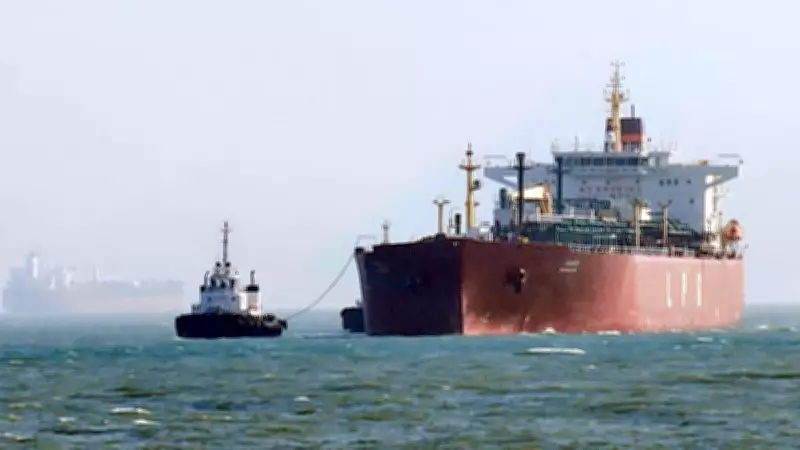
In a significant development amid escalating tensions in the Middle East, two Indian liquefied petroleum gas (LPG) tankers, the Green Sanvi and Green Asha, have successfully sailed out of the Strait of Hormuz, a critical maritime chokepoint. However, the situation remains precarious, with 16 other vessels still stranded in the region due to the ongoing conflict involving Iran, raising alarms over global energy security and maritime operations.
Safe Passage for Green Sanvi and Green Asha Amidst Regional Unrest
The safe exit of the Green Sanvi and Green Asha marks a rare positive note in an otherwise volatile scenario. These tankers, carrying essential LPG cargo, managed to navigate through the Strait of Hormuz, which handles approximately one-fifth of the world's oil and gas shipments. Their departure was closely monitored by international maritime authorities, highlighting the heightened risks in the area. The successful transit underscores the resilience of shipping operations but also points to the urgent need for diplomatic resolutions to ensure uninterrupted trade flows.
16 Vessels Stranded as Iran Conflict Intensifies
Despite the safe passage of the two Indian tankers, a concerning number of 16 vessels remain stranded in and around the Strait of Hormuz. These ships, including other LPG carriers and oil tankers, are caught in the crossfire of the Iran conflict, which has led to increased military activities and security threats. The stranded vessels face operational delays, potential safety hazards, and financial losses, exacerbating the strain on global supply chains. Industry experts warn that prolonged disruptions could lead to spikes in energy prices and supply shortages, particularly affecting countries reliant on imports from the Persian Gulf.

Impact on Global Energy Markets and Maritime Security
The ongoing crisis in the Strait of Hormuz has far-reaching implications for global energy markets. As a key transit route, any disruption here can ripple through economies, influencing fuel costs and availability. The situation has prompted calls for enhanced maritime security measures and international cooperation to safeguard shipping lanes. Key stakeholders, including the Indian government and global energy firms, are closely watching developments, with contingency plans being activated to mitigate risks. The stranded vessels represent a tangible manifestation of the conflict's impact, underscoring the need for swift diplomatic interventions to de-escalate tensions.
Looking Ahead: Challenges and Responses
As the Iran conflict persists, the maritime industry faces ongoing challenges in ensuring safe passage through the Strait of Hormuz. The safe exit of the Green Sanvi and Green Asha offers a glimmer of hope, but the plight of the 16 stranded vessels serves as a stark reminder of the vulnerabilities in global trade. Moving forward, stakeholders must prioritize:
- Enhanced Surveillance: Increasing patrols and monitoring in the region to protect commercial shipping.
- Diplomatic Efforts: Engaging in multilateral talks to resolve the Iran conflict and restore stability.
- Risk Management: Developing robust contingency plans for energy imports and exports.
In conclusion, while the safe sailing of two Indian LPG tankers provides temporary relief, the broader crisis in the Strait of Hormuz demands urgent attention to prevent further disruptions to global energy supplies and maritime security.